If you run an interior design studio in Boulder, winter weather can quietly drain your time and your margin. A heavy snowstorm in January can push back a drywall schedule by four to six weeks—leaving you with thousands of dollars of custom furniture arriving at a job site that does not yet have windows or heating.
Alcove at a glanceTrack client approvals and decisions in one place.
Most studios already manage these shifting timelines by tracking construction progress on-site and constantly adjusting their delivery dates. But if you treat procurement as a single, massive milestone, you risk ordering items too early—which leads to expensive storage fees—or ordering them too late, which delays install day.
To protect your margins, you have to align your client approvals with physical construction hold points rather than arbitrary calendar dates.
The winter construction reality in the Front Range
Alcove at a glanceSee budget and profitability signals without manual rollups.
In Colorado, winter construction is unpredictable. A remodel on Mapleton Hill or a new build in Chautauqua can look completely different from November to April. If the crawl space is freezing or the framing crew is snowed out, the interior work grinds to a halt.
If you get client sign-off on the entire FF&E package at the start of the project, you are forced to make a difficult choice. You can either order everything immediately and pay to store it in a climate-controlled receiving warehouse in Denver for six months—or you can wait to order, risking manufacturer price increases and discontinued fabrics.
Instead of a single, overwhelming presentation, most studios I have worked with break procurement into distinct, logical phases. This keeps the project moving forward while protecting the client's cash flow and your studio's warehouse budget.
Phase 1: Long-lead and structural-dependent items
Your first approval phase must focus on items that dictate the physical layout of the home or require early rough-in work by the trade contractors. These are the pieces that must be on-site or fully specified the moment the indoor work begins.
Group these items together for your first client sign-off:
- Custom cabinetry and millwork: These require long engineering lead times and must be finalized before rough electrical can be completed.
- Plumbing fixtures: Valves and rough-in kits must be in the wall before drywall can close.
- Imported tile and stone: Shipping delays can easily add 8 to 12 weeks to these materials—so they need to be secured early.
By securing approvals for these structural-dependent items first, you keep the general contractor on schedule. If a winter storm delays the exterior siding, the indoor crews can still progress with plumbing and tile prep because the materials are already secured and waiting.
Phase 2: The 'drywall closed' threshold for freestanding furniture
Hold off on final client approvals for upholstery, rugs, custom drapery, and delicate decorative lighting until the home is dried-in and the heating system is fully operational.
Let’s look at a realistic scenario for a Mapleton Hill home remodel.
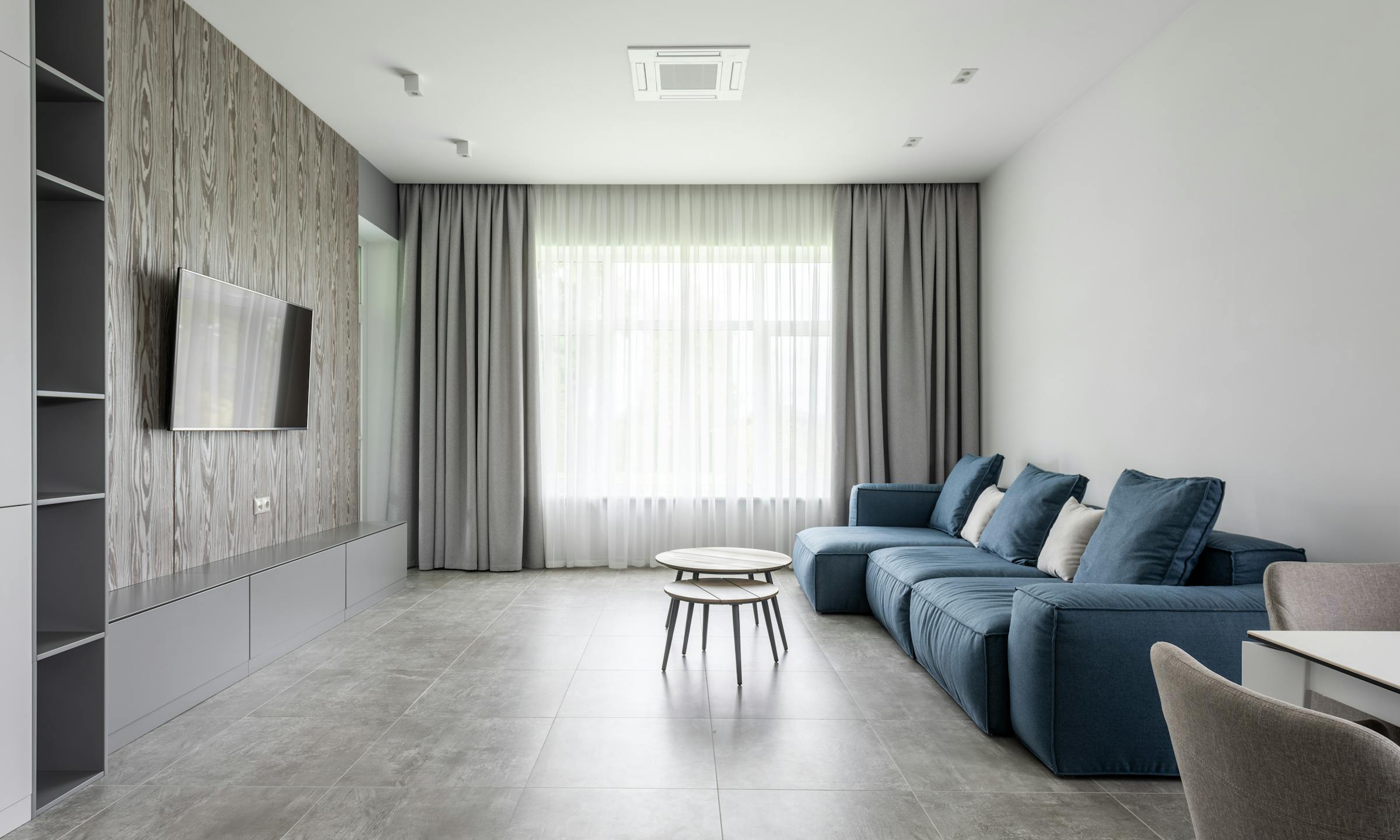
Suppose you have designed a custom living room furniture package totaling $45,000. It includes a custom sectional from a vendor like Vanguard Furniture ($18,000, 14-week lead time), a hand-knotted wool rug ($12,000, 10-week lead time), and various accent chairs and lighting.
Living Room Package: $45,000
├── Custom Sectional (Vanguard): $18,000 (Lead time: 14 weeks)
├── Hand-knotted Wool Rug: $12,000 (Lead time: 10 weeks)
└── Accent Chairs & Lighting: $15,000 (Lead time: 6-8 weeks)
If you approve and order this package in October, expecting a February install, but a series of winter storms pushes drywall completion to May, you are in trouble. The sectional and rug will arrive at your receiving warehouse in January.
At typical Front Range receiving rates, storing a large sectional and a 12x15 rug can quickly add up:
- Receiving & inspection fees: $450
- Monthly storage fees: $1,200 per month
- Total storage cost for a 4-month delay: $4,800
By establishing a physical hold point—such as "drywall completed and heat turned on"—before sending the Phase 2 approval package to the client, you align the 14-week lead time of the sectional with the actual finish carpentry schedule. This keeps the items in production or at the manufacturer's facility longer—minimizing the time they sit in a local warehouse collecting dust and storage fees.
Keeping budget control across multiple approval waves
When approvals are spread over six months, clients can easily lose track of their total spend. They might approve a $15,000 plumbing package in October, a $20,000 tile package in December, and then experience sticker shock when the $45,000 furniture invoice arrives in February.
Most studios already organize projects across pins, spreadsheets, and trackers long before a system enters the picture. However, copying and pasting data between a design proposal and an accounting tracker is a recipe for manual errors.
To maintain control, you need a system that displays a live, cumulative view of the project budget. The client should always see:
- What they have already approved and paid for.
- What is currently awaiting their approval.
- The remaining estimated budget for future phases.
When the client has full visibility into their total financial commitment, they can make informed decisions during Phase 2 without feeling surprised by the cumulative cost of the design.
How Alcove keeps phased approvals organized
Instead of managing approvals across scattered email threads, PDF markups, and spreadsheets, Alcove lets you organize your specifications into clean, digital packages.
Alcove’s client portal allows you to share curated product selections with your clients, collect digital approvals, and track comments in one centralized workspace. You can release your approvals in phases—such as "Phase 1: Rough-Ins" and "Phase 2: Furnishings"—and when the client signs off, the platform automatically updates your procurement pipeline and prepares the necessary purchase orders.
So you can spend more time on design decisions and less on copying cells.
Price with clarity. Install with confidence.
See how we do it at alcove.co.
FAQs
How do you handle price increases from vendors during long winter delays?
When projects span across the new year, vendors often update their trade pricing. It is best practice to include a clause in your initial agreement stating that quotes are valid for 30 days—and any items approved after that window may be subject to manufacturer price adjustments.
Should we store FF&E at our studio or use a receiving warehouse?
For whole-home remodels in Boulder, always use a receiving warehouse. They can inspect for freight damage upon arrival, hold items in a climate-controlled environment during winter delays, and coordinate a single, seamless install day once the site is ready.
How do we prevent clients from changing their minds during long phases?
Once an approval is signed and the deposit is paid, lock the item in your system. Make it clear during your kickoff meeting that once a purchase order is issued to the vendor, changes are no longer possible without incurring restocking fees and shipping costs.
See how Alcove does this
Managing phased approvals shouldn't mean drowning in spreadsheets. See how Alcove helps you organize specs and track client sign-offs in one clean system.