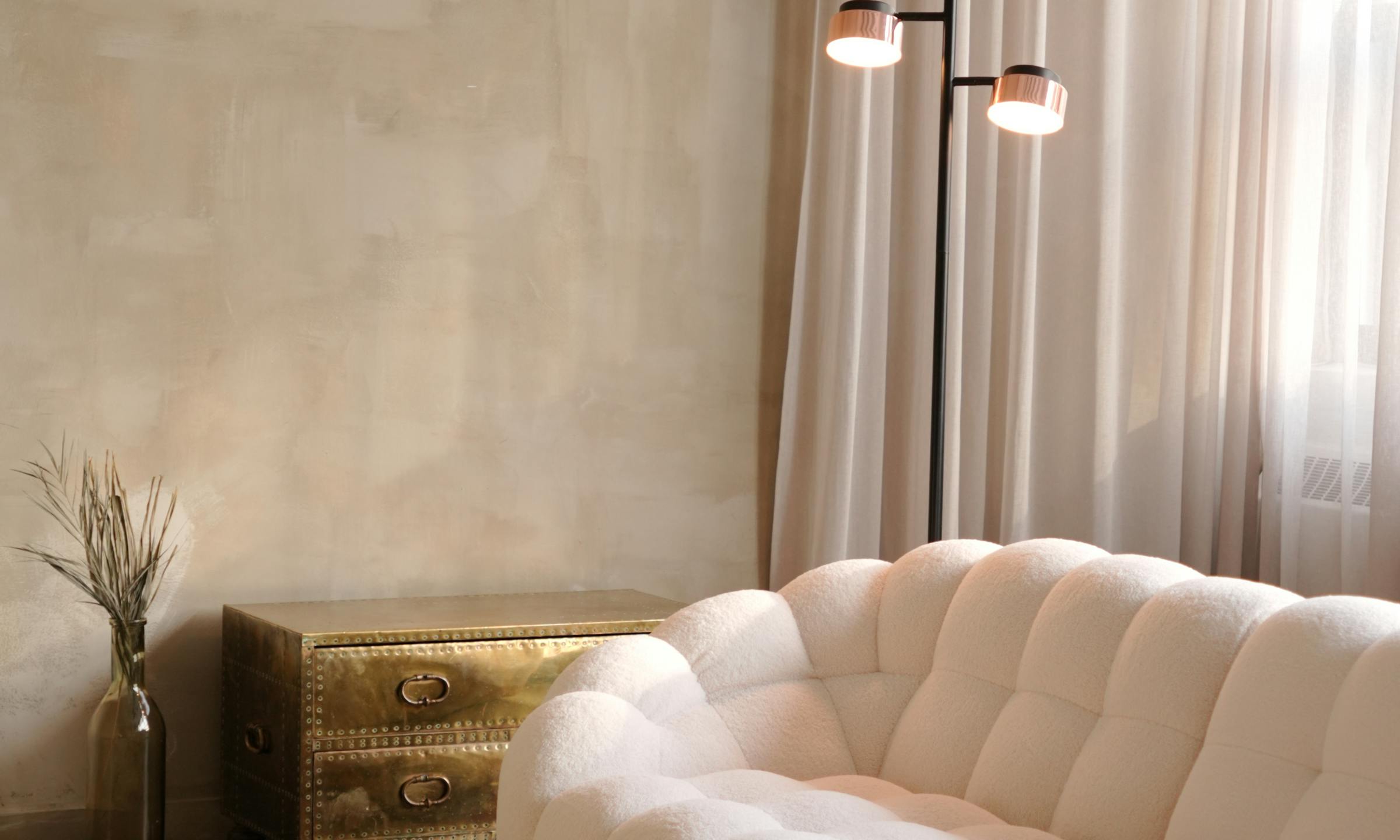
If you run a studio in Mexico City's historic core, procurement can quietly drain your time and your margin. Designing inside a Porfirian-era apartment in Roma Norte or Condesa means navigating 60-centimeter-thick adobe walls, low timber ceilings, and strict conservation guidelines.
Alcove at a glanceCentralize dimensions, finishes, and spec data per product.
Most studios already track these structural quirks across spreadsheets, shared drives, and WhatsApp threads long before a system enters the picture. You might be using a spreadsheet to track your budget, a shared folder for CAD drawings, and Gmail to chase down local workshops.
The challenge is not a lack of organization — it is that historic constraints require your technical notes to live right alongside your design selections. When a custom credenza or a heavy brass sconce is specified, the installation method is just as important as the fabric or finish.
Documenting reversible mounting and structural constraints
Alcove at a glanceKnow where every item stands from selection through install.
In a historic apartment, you cannot simply drill anchor bolts into the walls. Adobe and historic brick are soft, prone to crumbling, and often protected by conservation rules. Every wall-mounted item must be specified with reversible mounting methods in mind.
When documenting these pieces, your spec sheets need to detail non-invasive anchoring. If you are specifying a heavy mirror or a floating console, document tension-fit systems or independent timber sub-frames that distribute the weight down to the floor rather than pulling on the historic plaster.
For wall-mounted lighting, specify surface-mounted brass conduit painted to match the lime wash plaster. This avoids chasing wires into protected masonry. In your specification package, clearly label these as "reversible installations." This tells your contractor and the inspectors that the building fabric can be returned to its original state if the fixture is ever removed.
Altitude-aware material specifications
Mexico City sits at over 2,240 meters above sea level. The climate is marked by intense seasonal shifts — bone-dry winters followed by a heavy summer rainy season. This dramatic swing in relative humidity wreaks havoc on imported and poorly seasoned timber.
If you specify a local hardwood like tzalam or parota for a custom dining table, the wood must be properly acclimated. Without specific moisture-content requirements in your specs, that table will warp or split within its first winter.
Here is a realistic example for a custom dining table specified for an apartment on Calle Colima:
- Item: Custom Tzalam Dining Table (3.2 meters)
- Vendor: Taller de Ebanistería Silva (Obrera)
- Lead-Time Range: 8 to 10 weeks
- Moisture Content Spec: Must be kiln-dried and stabilized between 8% and 10% moisture content before fabrication.
- Cost Price: $52,000 MXN
- Studio Markup (35%): $18,200 MXN
- Landed Cost (including delivery and on-site assembly): $73,700 MXN (plus 16% IVA)
  $52,000 MXN (Net Cost)
+ $18,200 MXN (35% Markup)
+  $3,500 MXN (Estimated White-Glove Delivery)
==============================================
  $73,700 MXN (Subtotal to Client, plus IVA)
By putting the moisture-content requirement directly into the specification document, you protect your studio's margin. If the wood warps because the workshop used green timber, your spec sheet clearly shows they did not meet the documented technical requirements.
Managing approval dependencies and INAH guidelines
In a historic Condesa apartment, a change to a single light fixture is rarely just a change to a light fixture. If a client decides to swap a lightweight paper pendant for a heavy ceramic chandelier, it triggers a chain reaction. The timber joists above the plaster ceiling cannot take the load without structural reinforcement — which requires an approval from your structural engineer and a review of your permit.
This is why your spec workflow must link client approvals directly to structural dependencies. When a client signs off on a product, they need to see the structural requirements attached to it.
Keep a dated, clear paper trail of these decisions. If a client requests a heavier fixture, document the required structural backing and have them sign off on both the product cost and the additional contractor fees for the ceiling reinforcement. This prevents unpleasant surprises on install day when the electrician refuses to hang a fixture because the ceiling cannot support it.
How Alcove keeps historic constraints organized
Instead of burying masonry notes in email threads or trying to fit structural warnings into a tiny spreadsheet cell, you need a system where technical realities sit alongside your design choices.
Alcove links your structural notes, client approvals, and vendor revisions directly to each spec item, keeping your technical constraints visible from the initial proposal to the final purchase order.
Whether you are coordinating with a local metalworker in Doctores or sending a PDF spec package to an engineering consultant, the critical details — like reversible mounting instructions and moisture-content limits — travel with the product. You can spend more time on design decisions and less time copying cells.
Price with clarity. Install with confidence.
See how we do it at alcove.co.
FAQs
How do you specify heavy lighting fixtures when ceiling joists cannot be drilled?
Specify lightweight materials, surface-mounted conduit painted to match the plaster, or custom tension-rod systems. Document these structural mounting requirements directly in the product specifications so the electrical contractor and the client are aligned before purchasing.
What wood species are best suited for CDMX's seasonal humidity shifts?
Local hardwoods like tzalam and parota are highly stable, but they must be properly seasoned. Always specify a maximum moisture content of 8% to 10% in your FF&E documents to prevent warping when the rainy season hits.
How should I handle revision tracking for custom millwork in historic apartments?
Keep a centralized revision log linked to the product specification. In Alcove, you can track every version of a spec, client approval milestone, and vendor quote in one place, ensuring the workshop always builds from the latest approved drawing.
See how Alcove does this
Managing historic constraints shouldn't mean drowning in spreadsheets. See how Alcove keeps your specs, structural notes, and approvals organized in one place.