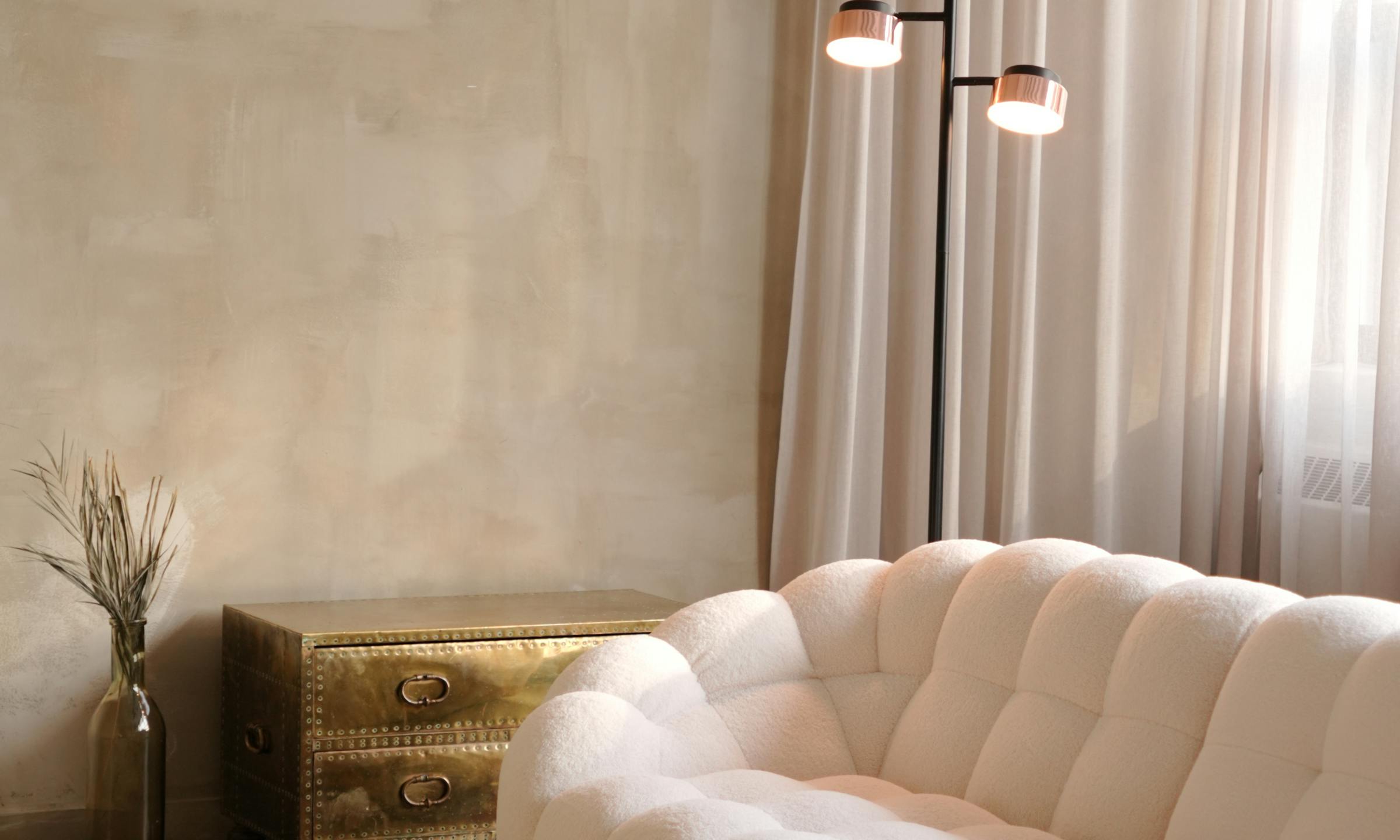
If you run an interior design studio, procurement for small styling moments and reading nooks can quietly drain your time and your margin. What starts as a quick request for "just a chair and a lamp" in an unused bedroom corner often turns into a multi-hour search for the perfect antique side table, a custom lumbar pillow, and a tiny brass floor lamp. None of this was in the original design fee — yet it demands the exact same administrative effort as a full room.
Alcove at a glanceKeep room-level budgets visible to the team and the client.
Most studios already organize projects across pins, spreadsheets, and trackers long before a dedicated system enters the picture. You might manage your main furniture layouts in a master spreadsheet, but when a client asks to add a cozy corner, those small items often get tossed into a miscellaneous tab or lost in an email thread.
Small vignettes require the exact same procurement steps as an entire living room. To keep these secondary spaces profitable, we have to scope them deliberately from day one.
The quiet cost of the cozy corner
Alcove at a glanceKnow where every item stands from selection through install.
A reading nook feels low-risk to a client. To them, it is a simple corner that needs a little warmth. To a designer, a vignette is a complex puzzle of scale, textile coordination, and lead-time management.
When we treat these small moments as casual add-ons, we absorb the cost of our own expertise. You spend hours sourcing a vintage textile for a single lumbar pillow. You draft POs, coordinate with the receiver, and track backorders for a single floor lamp. If your processes do not account for these micro-decisions, the administrative burden quickly eats the markup you make on the items.
Every styling moment requires specs, quotes, approvals, and tracking. If you do not isolate these areas in your initial scope, they will quietly expand until you are doing free procurement work under the guise of "good service."
How to structure your styling scope and proposal language
To protect your studio's time, establish boundaries before you ever draw a floor plan. Your initial contract should explicitly define what constitutes a primary room layout versus a secondary styling moment.
Most studios I have worked with find success by using a flat styling allowance per vignette in their initial proposals. For example, you might write:
"This proposal includes the primary furniture layout for the Master Bedroom. Secondary seating areas, reading nooks, and vanity styling are excluded from the initial design fee. The client may elect to add a Styling Vignette Package at a flat rate of $1,500 per area, plus a minimum product purchasing budget of $3,500."
This language does two things. First, it establishes that cozy corners are not "freebies" included in the main room fee. Second, it sets a financial boundary. If the client asks to fill an empty corner three months into the project, you do not have to write an awkward email about extra fees. You simply refer back to the agreement and send a quick scope amendment for the additional vignette.
The math of a styled nook: A realistic budget breakdown
Clients often experience sticker shock when they see the final cost of a fully realized reading nook. They assume a chair and a light should cost around $1,500. They forget about the small supporting pieces that actually make the space look finished.
Let's look at the real numbers for a typical styled corner:
- Lounge Chair (from a vendor like Loom & Oak): $1,800 trade cost
- Custom Lumbar Pillow (including trade fabric and workroom labor): $250 cost
- Side Table (from Veranda Home): $450 trade cost
- Floor Lamp: $400 trade cost
- Small Vintage Rug: $600 trade cost
The net product total is $3,500.
If your studio charges a standard 35% markup on trade cost, your markup is $1,225.
Now, we must calculate the landed cost. Shipping and freight for a heavy lounge chair and fragile lamp might run $450. Receiving, inspection, and local delivery add another $250.
- Net Product Cost: $3,500
- Designer Markup (35%): $1,225
- Estimated Freight & Receiving: $700
- Total Client Cost: $5,425
Presenting this fully loaded cost estimate early prevents the client from backing out after you have spent hours sourcing the items. If they cannot commit to the $5,425 reality of a styled nook, it is better to know before you start drafting specs.
Managing approvals and timing for secondary seating
Because styling moments are often finalized late in the design phase, their approval timelines must be managed tightly. If a client hesitates on a $400 side table, it can delay the entire room's install day.
To keep the broader project schedule on track, establish a strict "vignette approval window." Group your styling selections together on a single proposal rather than sending them piecemeal over email or text. Give the client a firm seven-day window to approve the selections and pay the deposit.
If the deadline passes without approval, those items are removed from the primary install day. This protects your warehouse partner from storing half-finished vignettes and ensures your team isn't scrambling to track down missing pieces at the eleventh hour.
How to track vignette-level selections in Alcove
Instead of burying these small items in a massive master spreadsheet or a cluttered QuickBooks list where they get lost, you need a way to isolate them.
Alcove lets you group products by specific areas or vignettes within a project — keeping your main room budgets separate from secondary styling moments.
By tagging items specifically to "Master Bedroom - Reading Nook," you can track specs, quotes, client approvals, and purchase orders in one clean view. You can see at a glance if the floor lamp has been approved, if the side table is still sitting in a draft PO, or if the custom pillow fabric is on backorder. This prevents styling costs from getting absorbed as free work and ensures you maintain your target margin on every single accessory.
Sequencing the install day for styled moments
On install day, secondary seating and styling moments should be unpacked and styled last. Your team should not spend energy arranging books on a reading nook shelf while the movers are still carrying in the sectional.
Keep a dedicated, pre-approved list of accessories and small furniture pieces specifically for these corners. Having a clear receiving and install checklist ensures your team is efficient on-site. You will know exactly which boxes belong to the reading nook — allowing you to style the corner quickly and leave the home looking polished and complete.
So you can spend more time on design decisions and less on chasing vendors for single-item shipping updates.
Price with clarity. Install with confidence.
See how we do it at alcove.co.
FAQs
How do I charge for styling accessories like books, objects, and throws?
The most efficient way is to establish a flat "styling accessory budget" — for example, $1,500 per room — in your initial proposal. You purchase these items using your trade discount, bring them to install day, and invoice the client for what they keep, applying your standard markup to the final selections.
Should I include reading nooks in the main room's design fee?
Only if it is explicitly detailed in the initial design contract. If a client requests a reading nook or an elaborate styling moment later in the process, it should be treated as an addendum to the scope and billed either at your hourly rate or as a flat-fee addition.
How do I prevent clients from sourcing their own styling items to save money?
Address this early in your contract with a purchasing policy. Explain that to maintain design integrity and manage receiving logistics, all furniture and lighting must be procured through your studio. This protects both your design vision and your markup margin.
See how Alcove does this
See how Alcove helps your studio organize specs, approvals, and procurement for every vignette in one clean system.