If you design on the Oregon Coast, salt air and high winds can quietly drain your margin and your client's trust. A beautiful oceanfront deck in Cannon Beach or Arch Cape is a dream asset for a client — but it is a hostile environment for furniture. Without precise documentation, an outdoor sofa specified for a bluff can end up tumbling down the beach during a winter storm, or rusting to pieces within a single season.
Alcove at a glanceCentralize dimensions, finishes, and spec data per product.
Most studios already track these specialized requirements across spreadsheets, shared drives, and separate email threads long before a formal system enters the picture. You might have a column in your tracker for weight requirements or finish notes. However, when technical notes live separately from the actual product spec, details get lost during procurement. The key to successful coastal design is keeping these technical specifications tied directly to the product line items — so your team, your vendors, and your installers stay aligned.
Documenting wind-anchoring and weight requirements
Alcove at a glanceTrack client approvals and decisions in one place.
On the Oregon Coast, wind is not just an occasional weather event — it is a structural challenge. A gust of 60 miles per hour can easily lift standard aluminum or wicker chairs and throw them against glass windows or over deck railings. When specifying furniture for high-exposure zones like Arch Cape, weight is your first line of defense.
You need to specify heavy, dense materials — such as solid teak, concrete, or stone — and explicitly document anchoring details for outdoor pieces. For these projects, we recommend adding a dedicated hardware and anchoring budget buffer directly to the line item.
Let’s look at a realistic worked example for an oceanfront patio project in Cannon Beach:
- Vendor: Pacific Foundry
- Product: Custom Concrete Dining Table (180 lbs)
- Base Cost (Trade Net): $3,200
- Studio Markup (35%): $1,120
- Client Price (Before Shipping/Taxes): $4,320
- Lead-Time Range: 12 to 16 weeks
- Specialized Hardware Buffer (15%): $480 (allocated for marine-grade 316 stainless steel floor anchors and heavy-duty weighted leveling glides)
- Total Specified Landed Cost: $4,800
When you document this item, the 180-pound weight specification and the requirement for marine-grade anchoring hardware must be written directly into the procurement notes. If a purchasing agent or project manager looks at this item in your system, they must see the hardware buffer and the anchoring instructions attached to the purchase order. This prevents the field team from using standard steel screws that will fail under the first heavy salt-spray exposure.
Salt-air fabric and finish specifications
Salt air is highly corrosive. Standard powder-coated steel or low-grade stainless steel — like 304 grade — will begin to pit and rust within months of installation on the coast. When documenting metal finishes, your spec sheets must explicitly state the required metal grade.
For metal frames and hardware, specify marine-grade 316 stainless steel, solid brass, or multi-layer powder-coated aluminum. When writing these specifications, do not rely on the vendor's standard product description. Many vendors market items as "rust-resistant outdoor metal" — which often means basic powder coating over mild steel. You must override these descriptions with your own strict standards.
The same rigor applies to fabrics. Specify solution-dyed acrylics — such as Sunbrella or Perennials — that are specifically rated for high UV exposure and mold resistance. Because coastal homes often sit empty for weeks during the damp winter months, interior fabrics near large windows must also hold up to intense UV rays and moisture. Ensure your spec sheets clearly distinguish these marine-grade and high-UV variants from standard residential options so your team does not accidentally order a cheaper, non-coastal alternative during a late-night ordering session.
View-driven seating layouts and indoor-outdoor transitions
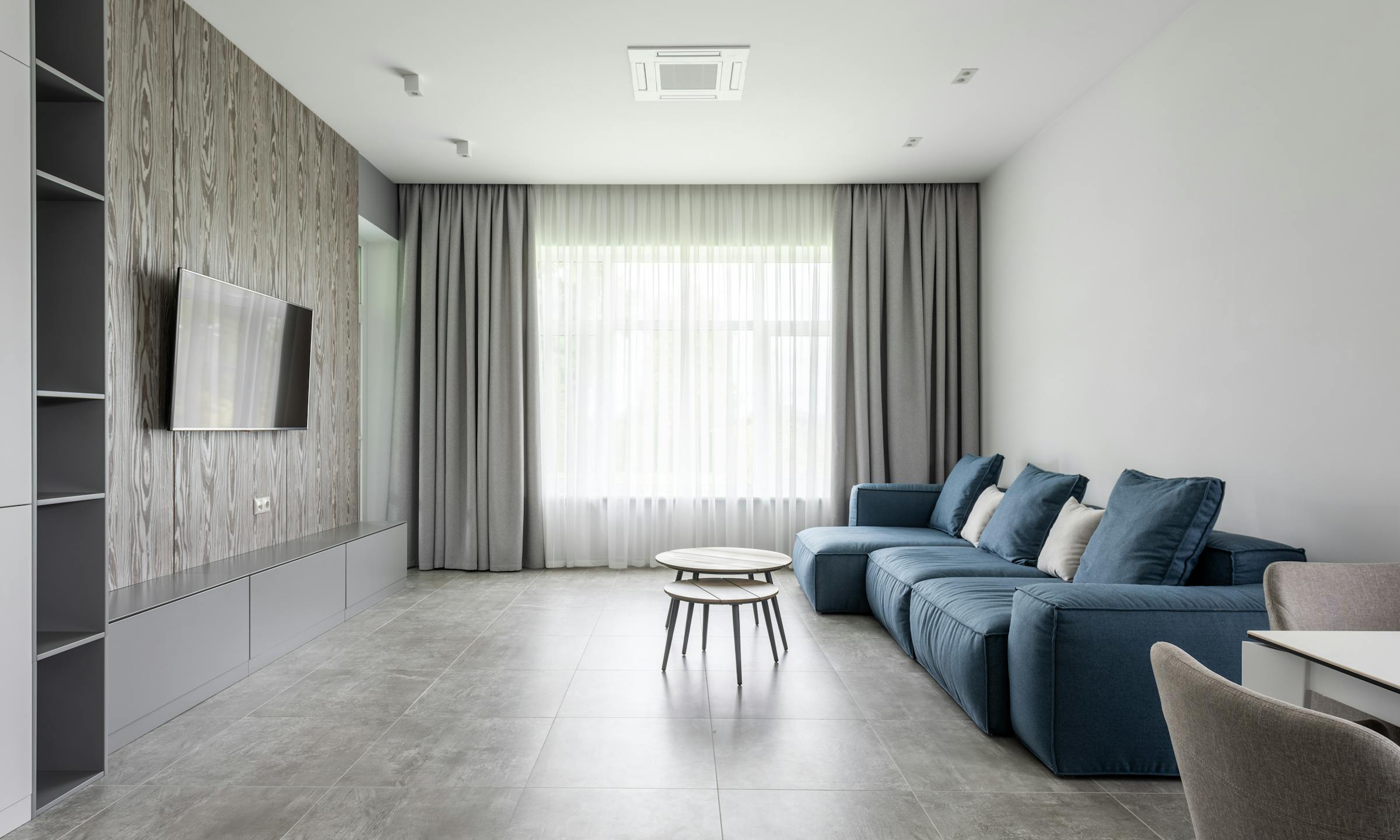
Oregon Coast homes are built around the view. In places like Cannon Beach, the layout of a living room or a covered pavilion is dictated by the offshore monoliths and the changing tides. This view-driven focus creates unique spatial challenges.
When designing seating layouts, you are often placing furniture directly in front of large, floor-to-ceiling glass expanses. This means you must document:
- Low-profile specifications: Back heights must remain low to preserve sightlines to the ocean.
- UV-resistance ratings: Interior upholstery facing west will receive intense, direct sunlight, requiring fade-resistant fabric specs even for indoor pieces.
- Clearance and traffic flow: Coastal homes often feature large sliding glass doors that open wide to decks. Your layout notes must specify clearances that accommodate heavy wind screens or sliding screen doors without pinching the traffic path.
Keep these layout notes, floor-plan references, and fabric performance ratings attached to the furniture specs. When the installation team arrives on-site, they should not have to guess which chair goes where or which fabric variant belongs in the high-exposure sunroom.
Scheduling procurement around Pacific Northwest storm seasons
Delivery logistics on the coast require careful timing. The winter storm season brings high winds, heavy rain, and king tides that can make deliveries to locations like Arch Cape or Manzanita incredibly difficult — if not dangerous.
Lead times for custom coastal furniture typically range from 12 to 16 weeks. If you place an order in June, your pieces might be ready to ship in October — right at the start of the wet, windy season. To protect high-end, fragile pieces, do not ship them directly to the job site.
Instead, route all deliveries to a climate-controlled receiving warehouse in Astoria or Tillamook. Document this shipping routing clearly on every purchase order. By holding the furniture in a secure warehouse, you can monitor the local weather patterns and schedule the final install day during a clear weather window. This simple logistical step prevents your client’s new solid teak sofas from sitting on a damp, wind-whipped driveway during a sudden coastal downpour.
How Alcove keeps coastal specifications intact
Managing these specialized details across dozens of line items can be overwhelming if you are relying on scattered emails and basic spreadsheets. Alcove gives your team one organized system to manage specs, approvals, and order tracking without losing your technical notes along the way.
Alcove allows you to attach exterior-rated notes, replacement allowances, and approval history directly to each product specification. When a client approves a high-wind substitution or a marine-grade fabric upgrade, the decision is logged directly on the item's history. This keeps your technical requirements intact from the initial design concept all the way to the final purchase order.
Instead of digging through old email threads to prove why you specified a heavier, more expensive concrete table, you have a clear, documented paper trail. So you can spend more time on design decisions and less time on copying cells.
Price with clarity. Install with confidence.
Learn more at alcove.co.
FAQs
What metal finishes hold up best to salt air in Arch Cape?
Marine-grade 316 stainless steel, solid brass, and multi-layer powder-coated aluminum are the most reliable finishes for high-exposure coastal environments. Standard stainless steel — like 304 — and basic powder coatings will rust quickly when exposed to the constant salt spray and wind of the Oregon Coast.
How do you handle delivery logistics during winter storm season on the coast?
We recommend routing all deliveries through a climate-controlled receiving warehouse in Astoria or Tillamook. This allows you to hold the furniture safely until a clear weather window opens, avoiding the risk of moving delicate pieces during high-wind events or king tides.
How do I track client approvals for high-wind substitutions in my specs?
Keep a clear, dated history of approvals and fabric substitutions directly on the product's spec sheet. This ensures that if a client opts for a standard fabric over a recommended marine-grade option to save on costs, the decision and associated risk are fully documented and visible to the entire project team.
See how Alcove does this
See how Alcove keeps your technical specs, marine-grade notes, and client approvals organized in one place.