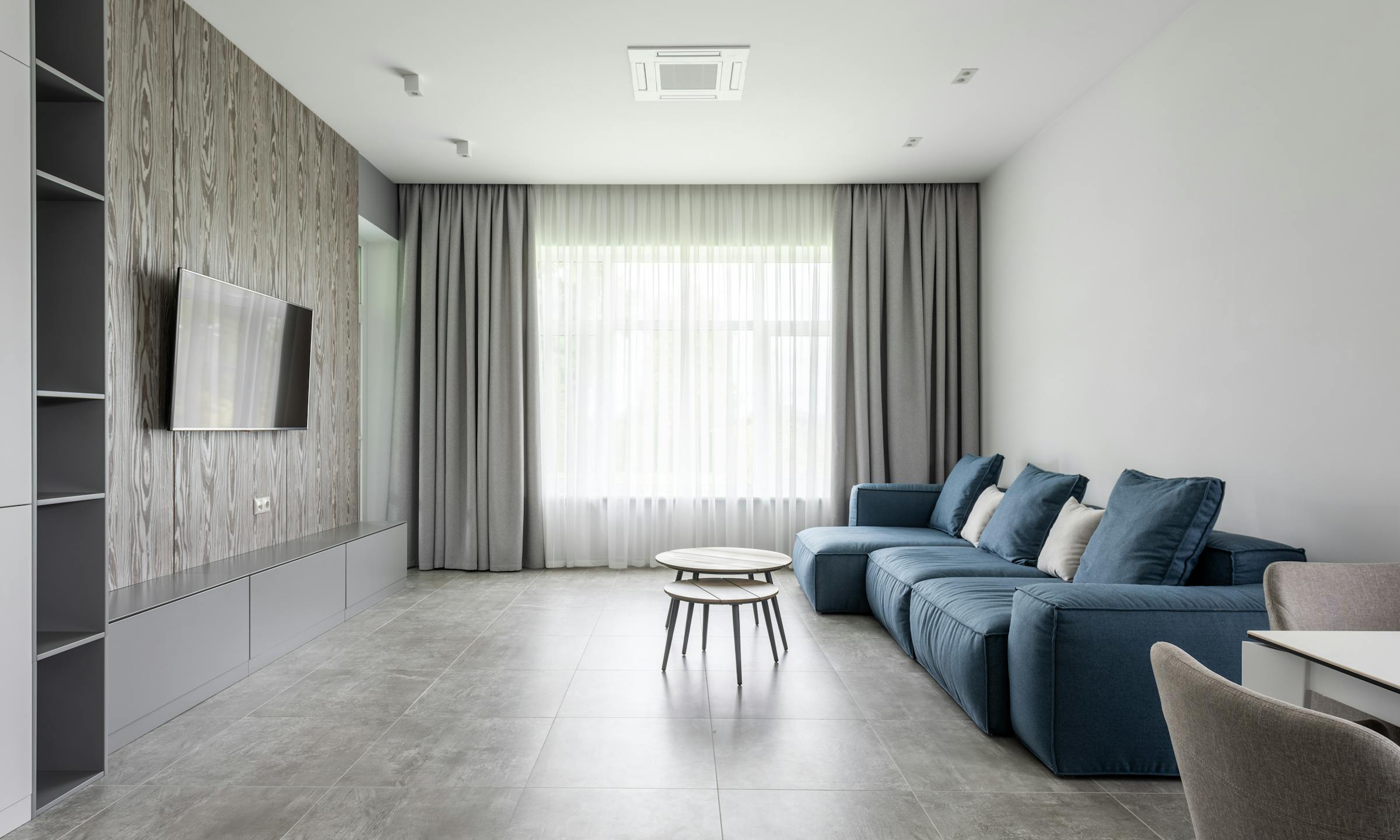
How do Panama City designers navigate PH junta directiva approvals when works affect common areas and receiving?
If you run an interior design studio in Panama City, coordinating a high-rise remodel in a Punta Pacífica or Costa del Este tower can quietly drain your time and your margin before the first sledgehammer hits a wall.
Alcove at a glanceKnow where every item stands from selection through install.
Most studios already manage these complex building rules with physical folders, WhatsApp threads, and Excel sheets long before a system enters the picture. You likely have a folder of signed cartas, endless chat threads with the building's administrador, and a spreadsheet tracking which finishes have been greenlit by the junta directiva.
PH (Propiedad Horizontal) approvals are not just administrative hurdles—they are the critical path that dictates your procurement, delivery, and install schedule. Managing them requires linking every product specification to its specific approval gate and delivery window.
The reality of PH renovations in Panama City
Alcove at a glanceTrack client approvals and decisions in one place.
In Panama City, high-rise living is the norm for luxury residential projects. But the convenience of a penthouse view comes with strict community governance. The junta directiva—the building board—and the administración act as gatekeepers for any work that touches common areas, affects structural weight, or alters the external aesthetic of the tower.
If you do not coordinate with these entities early, you risk work stoppages, confiscated contractor passes, and heavy fines. You cannot simply order materials and hope for the best on install day. You must treat the PH approval process as an active phase of your design and procurement workflow.
Documenting the junta directiva approval gates
Every structural change, balcony enclosure, plumbing modification, or heavy flooring installation requires formal sign-off from the board. To keep your project moving, you need to organize your specifications so that every item has its approval status, submission date, and board feedback documented in one place.
When preparing your specification package, pay close attention to these common PH friction points:
- Weight limits: Towers often have strict limits on the weight of flooring materials—especially for older structures in areas like Paitilla. Heavy natural stone slabs require structural clearance.
- External aesthetics: Any window treatments, balcony glazing, or exterior-facing lighting must match the uniform look of the tower facade.
- Plumbing and wet areas: Moving a drain or adding a wet bar requires checking the building's common piping layout to ensure you are not drilling into post-tensioned slabs.
Keep your product specs and approval statuses linked. By marking items as "Pending Board Approval" in your tracker, you ensure your purchasing team never accidentally issues a purchase order (PO) for a material the board might reject.
The freight elevator bottleneck: scheduling and logistics
In exclusive enclaves like Santa María or Costa del Este, securing the elevador de carga—the freight elevator—is a high-stakes scheduling game. You cannot simply show up with a delivery truck and expect access.
Most building administrations require:
- A formal reservation request filed 48 to 72 hours in advance.
- A refundable damage deposit—the depósito de garantía—to cover potential damage to the elevator cabin or hallways.
- Strict adherence to permitted working hours—usually Monday through Friday from 8:00 AM to 5:00 PM, and Saturdays until noon.
To prevent warehouse bottlenecks and costly redelivery fees, you should map out elevator dimensions and weight limits directly against your procurement list. If a custom sofa from a local workshop or an imported Italian kitchen cabinet exceeds the clearance of the freight elevator, you will need to coordinate expensive hoisting services up the exterior of the tower. Documenting these physical constraints alongside your product specs ensures your delivery team is prepared.
Managing revisions when the board says no
When the junta directiva rejects a specific material due to weight limits or aesthetic guidelines, you must pivot quickly without losing track of your original design intent or your profit margins.
Consider this realistic scenario from a recent penthouse remodel in Costa del Este:
The original specification
You spec a book-matched Calacatta marble slab wall for the master bathroom, sourced from a local stone yard, Canteras del Istmo.
- Material: 2cm Calacatta Marble Slab (Weight: 340 kg)
- Vendor Trade Price: $4,500
- Studio Markup: 25% ($1,125)
- Client Price: $5,625 (before tax and installation)
- Lead Time: 3 weeks
The PH rejection
The building's structural engineer reviews the plans and rejects the natural stone slab. The partition wall cannot support the concentrated weight of the marble without additional structural reinforcement—which the junta directiva denies.
The pivot and revision
You quickly source a lightweight, large-format porcelain slab from Casabella that mimics the Calacatta marble but weighs only 65 kg.
- New Material: 6mm Laminam Porcelain Slab
- Vendor Trade Price: $2,200
- Studio Markup: 30% ($660)
- Client Price: $2,860
- Lead Time: 2 weeks
Original Marble Client Price:  $5,625
New Porcelain Client Price:   -$2,860
-------------------------------------
Client Savings:                $2,765
While the client saves money, your studio's markup revenue drops from $1,125 to $660. To offset this, you adjust the design to include custom backlighting behind the porcelain slab—adding a decorative element that recovers some of your lost margin.
By documenting this entire revision history—including the board's rejection letter, the new weight calculations, and the updated client approval—you protect your studio from disputes and keep the administrador satisfied.
How Alcove keeps your PH projects on track
Most studios already organize projects across pins, spreadsheets, and trackers long before a system enters the picture. Alcove lets you bring that work in through imports and tools you already use, instead of starting from a blank file.
Instead of scattering board approval letters, elevator dimensions, and revision notes across WhatsApp, spreadsheets, and email threads, Alcove gives your team one organized system for your entire workflow.
Alcove lets you store approval milestones, PH dependencies, and revision history directly on each product specification—so you can spend more time on design decisions and less on chasing building approvals. You can create custom statuses for "PH Approved" or "Pending Junta Sign-off," ensuring your team only purchases items that have cleared building administration.
Price with clarity. Install with confidence.
See how we do it at alcove.co.
FAQs
What documents do Panama City PH boards typically require for interior remodels?
Most junta directivas require a formal request letter, detailed architectural plans, a copy of the contractor's liability insurance, and specific product specs for any materials that affect common areas, structural weight, or external aesthetics—such as balcony glazing or window treatments.
How do I handle freight elevator deposits and scheduling with the administrador?
It is best practice to document the elevator dimensions, weight limits, and required cash deposits directly in your project logistics tracker. Coordinate with your receiving warehouse to ensure deliveries are consolidated—minimizing the number of elevator reservations you need to request from the administration.
Can I track PH approval status directly on my product specifications?
Yes. By using custom statuses or tags in your procurement system, you can mark items as 'Pending Junta Approval,' 'Approved by PH,' or 'Revision Required.' This ensures your purchasing team never issues a PO for an item that has not been cleared by the building administration.
See how Alcove does this
See how Alcove helps your team track building approvals, logistics, and product specs in one organized system.