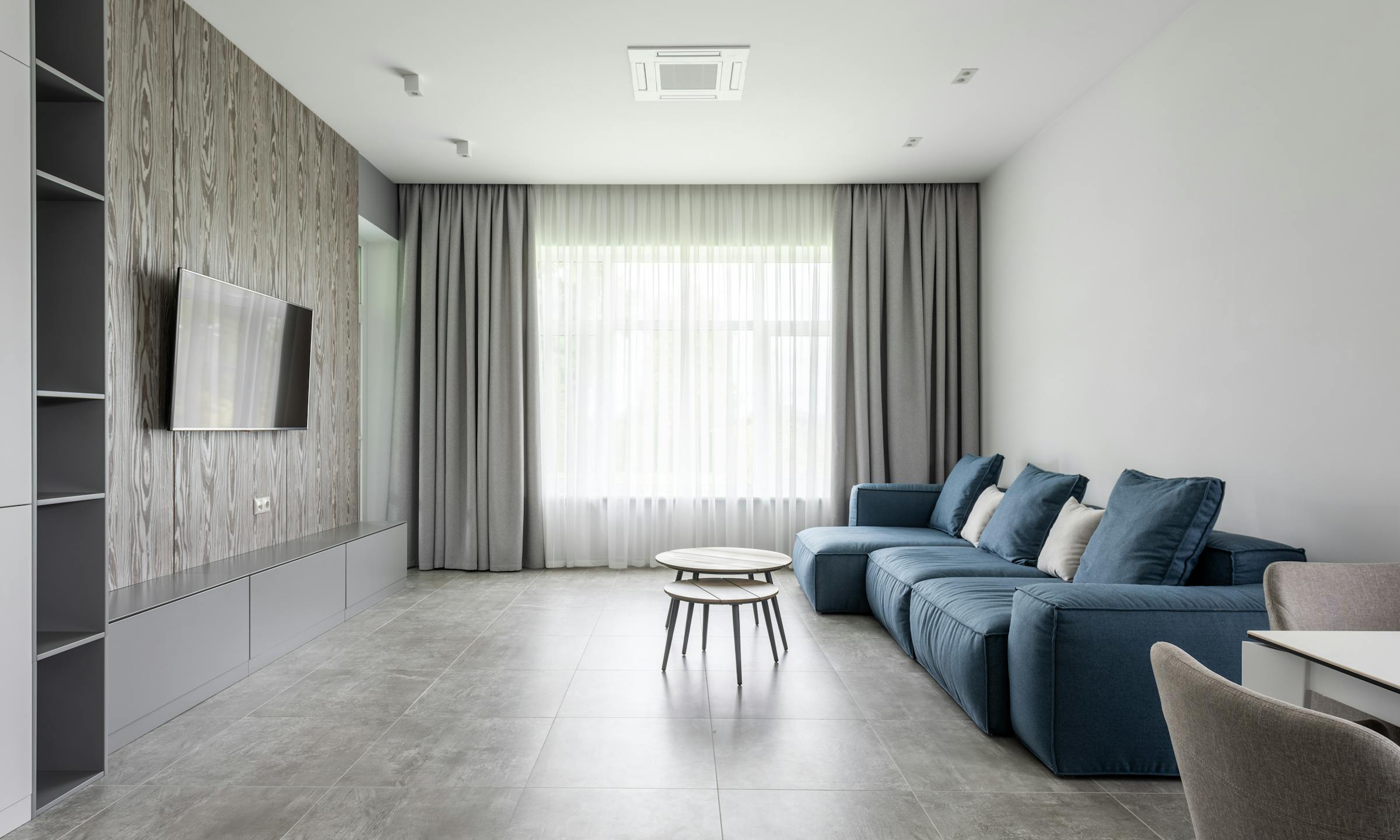
If you run an interior design studio in Mexico City, coordinating a high-rise remodel in a Polanco tower can quietly drain your time and your margin. Between the junta de colonos, strict administración hours, and freight-elevator (elevador de carga) restrictions, you are essentially managing two projects at once—the interior design itself and the building's operational rules.
Alcove at a glanceKnow where every item stands from selection through install.
Most studios already organize projects across pins, spreadsheets, and trackers long before a system enters the picture. You might have your design specs in one document, your client approvals in another, and your building administration requirements buried in a long WhatsApp thread with the administrador. But when a custom marble vanity arrives at a tower on Campos Elíseos only to be turned away because the freight elevator was not reserved 48 hours in advance, the cost of scattered information becomes painfully clear.
Understanding how to tie building rules directly to your procurement timeline is how you protect your margin and keep your install day on track.
Documenting the three critical approval gates
Alcove at a glanceTrack client approvals and decisions in one place.
Before a single piece of custom joinery or imported Italian tile leaves the warehouse, you need three distinct green lights. Treating these building approvals as mandatory product specifications—rather than administrative chores—prevents costly delivery bottlenecks.
- The structural and wet-area sign-off: The administración must review any changes to plumbing layouts, heavy stone installations, or structural walls. If you are moving a drain for a freestanding tub, that product spec is incomplete without the building engineer's written approval.
- The formal work notice (aviso de obra): This is your official window to conduct noisy work. In most Polanco towers, this is strictly limited to weekdays between 9:00 AM and 2:00 PM and 4:00 PM to 6:00 PM—with no work permitted on weekends.
- The freight-elevator reservation (elevador de carga): Most buildings require you to book the elevator at least 48 to 72 hours in advance. If your delivery truck misses its window by even thirty minutes, the building staff will turn the driver away—leaving you with a double-freight charge and a rescheduled install date.
Building a spec package that passes the administración
When you submit your design package to the building administration, they do not care about your aesthetic vision. They care about weight limits, plumbing modifications, noise levels, and liability.
To get quick sign-off from the board without endless back-and-forth, your specification package should be highly technical. For every major item, document the weight, installation method, and water or electrical requirements.
For example, if you are specifying a heavy volcanic stone dining table, your spec sheet should include:
- Dry weight: The exact weight of the tabletop and base.
- Delivery method: Whether the piece fits in the elevator or requires hoisting (volado).
- On-site assembly: Whether the stone will be sealed on-site—which requires specific ventilation approvals from the building.
By keeping these technical details organized alongside your trade pricing and vendor details, you can generate a clean, professional PDF submittal for the board in minutes—rather than spending a weekend copying cells and pulling spec sheets from manufacturer websites.
The logistics of the elevador de carga: A real-world scenario
Let’s look at a common scenario. You are coordinating a delivery of custom cabinetry from a workshop in Lerma to a 10th-floor apartment on Rubén Darío.
The building administration only allows large deliveries on Thursdays between 10:00 AM and 1:00 PM. The cabinet maker quotes a lead time of 6 to 8 weeks.
- Custom cabinetry cost: $180,000 MXN (ex-works)
- Markup (20%): $36,000 MXN
- Landed cost (including Lerma-to-Polanco freight): $222,000 MXN
- Missed delivery penalty (vendor fee + re-delivery): $12,000 MXN
If your driver gets stuck in traffic on the Constituyentes extension and arrives at 1:15 PM, the administración will deny entry. You lose your elevator slot, pay a $12,000 MXN penalty, and must wait until the following Thursday to try again. This single delay eats up a third of your markup on the item.
To prevent this, most successful studios build a mandatory buffer into their tracking. You should document the elevator dimensions—such as 2.1m height, 1.2m width, and 1,000kg capacity—directly on the purchase order so the workshop in Lerma knows exactly how to flat-pack the cabinetry panels before loading the truck.
How to track building dependencies inside Alcove
Instead of keeping building rules in a PDF, product specs in a spreadsheet, and delivery updates in your email, Alcove lets you bring them all into one organized workspace.
Alcove lets you link specific approval milestones and building administration dependencies directly to individual products. For example, you can tag a custom sofa with a "Pending Elevator Clearance" status, ensuring your procurement manager never issues the purchase order or schedules the delivery before the physical dimensions are verified against the building's freight elevator constraints.
This keeps your team aligned, your vendors informed, and your deliveries perfectly timed—so you can spend more time on design decisions and less on copying cells.
See how Alcove helps you manage project dependencies.
FAQs
What documents does a Polanco condominio administración typically require before work begins?
Most administrations require a formal architectural plan, a detailed work schedule, proof of contractor liability insurance, and specific technical sheets for any plumbing or structural changes. Keeping these documents linked to your project workspace ensures your team can produce them instantly when requested.
How do you handle freight elevator restrictions for oversized furniture?
You must document the elevator's physical dimensions—height, width, depth, and weight capacity—during your initial site survey. Add these constraints as custom fields in your product specifications so that when you source a large sectional or dining table, you can immediately flag if it requires hoisting or on-site assembly.
How can I prevent client frustration when building approvals delay the project?
Transparency is key. Share a client portal that clearly shows the approval status of each item or room. When clients see that a delay is due to a pending building administration sign-off rather than your studio's internal process, it preserves trust and keeps everyone aligned.
See how Alcove does this
Managing tower renovations requires keeping building rules and product specs in one place. See how Alcove helps you track project dependencies and approvals.