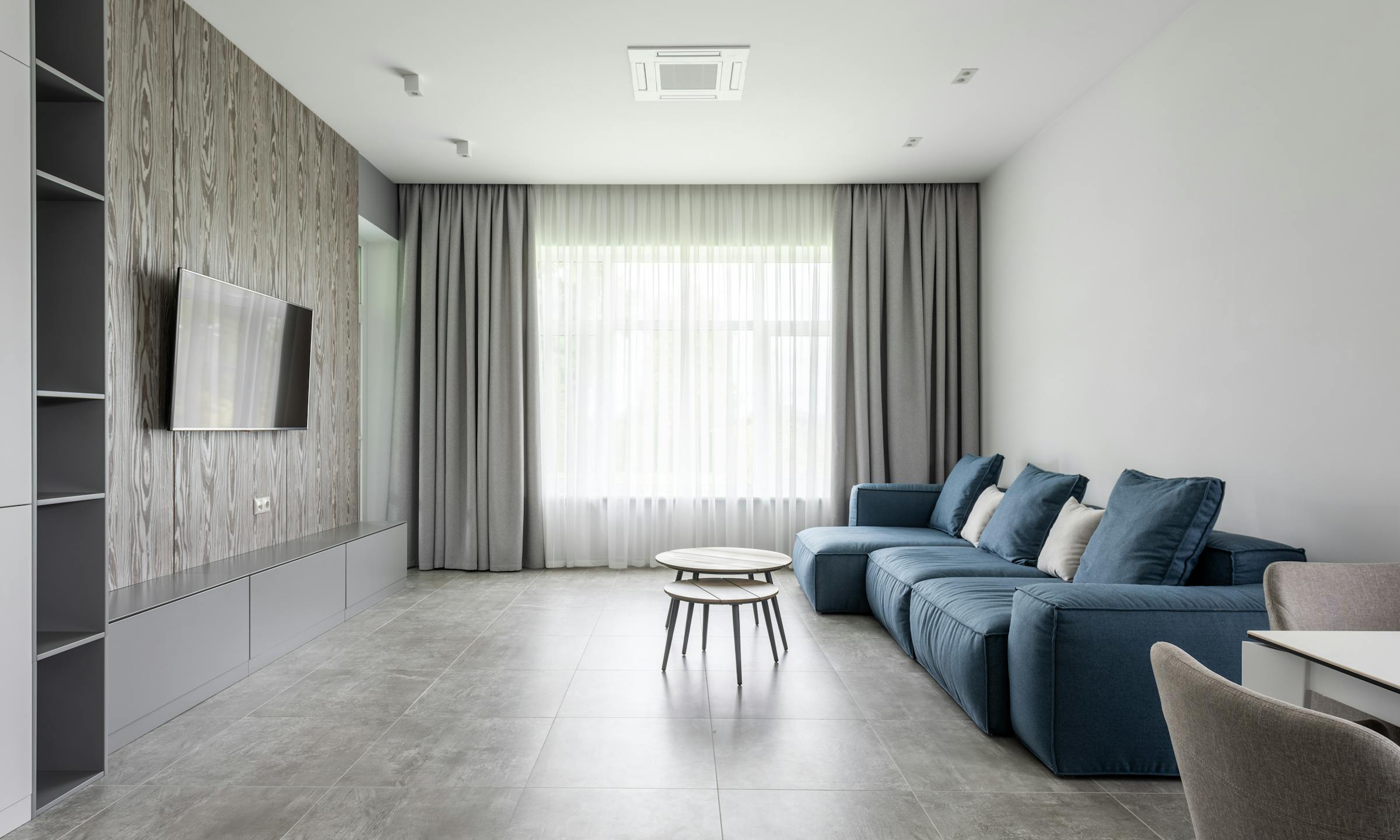
How San José designers document FF&E specs when Central Valley humidity differs from coastal assumptions
If you run an interior design studio in San José, procurement can quietly drain your time and your margin when coastal assumptions meet Central Valley realities. While a project in Guanacaste demands salt-air prep and outdoor-grade fabrics, specifying FF&E for a high-rise in Rohrmoser or a townhouse in Escazú comes with its own silent challenges.
Alcove at a glanceCentralize dimensions, finishes, and spec data per product.
Central Valley projects face trapped humidity, older masonry substrates, and strict condominio administrations—the building boards that regulate everything from delivery hours to the weight of the service elevator. Meeting these challenges requires a level of specification detail that goes far beyond a simple product name and color code.
Most studios already organize their projects across pins, spreadsheets, and email threads long before a dedicated system enters the picture. But when those tools fail to capture localized moisture risks and building rules, a single missing detail can lead to warped cabinetry or a turned-away delivery truck. We want to bring that work forward—so you can spend more time on design decisions and less on chasing vendors.
The moisture math: specifying millwork and finishes for San José climates
Alcove at a glanceKnow where every item stands from selection through install.
The humidity in Sabana and Rohrmoser behaves differently than on the coast. Without the ocean breeze, moisture sits in concrete-block walls and dense apartment layouts. If you specify standard MDF for a built-in vanity or wardrobe, it will eventually swell—often within the first 12 to 18 months.
Most studios know this. Documenting the exact substrate requirements for local fabricators is where things slip. When you send a drawing to a millwork shop in Alajuela or Cartago, the bid will default to the cheapest material unless your spec sheet explicitly demands otherwise.
Let’s look at a concrete example for a custom master bath vanity in a Rohrmoser apartment:
- The original spec: Standard MDF vanity with an oak veneer.
- The reality: High humidity, poor natural ventilation in an interior bathroom, and a concrete block wall that holds moisture.
- The corrected spec:
- Substrate: Moisture-Resistant (MR) MDF—such as MDF Hidrófugo—or marine-grade plywood (playwood marino).
- Backing: 1mm laminate backing on all unexposed rear surfaces to block moisture transfer from the masonry wall.
- Finish: Polyurethane sealer on all edges, including plumbing cutouts.
- Local wood alternative: Solid Laurel or Cedro Amargo for solid wood elements, kiln-dried to 10-12% moisture content.
[Standard MDF Vanity] -> High Humidity + Masonry Wall -> Swelling & Delamination (12-18 months)
[MR MDF + Back-Priming + Polyurethane Sealer] -> Moisture Barrier -> Stable Installation (Years)
If the fabricator quotes 450,000 CRC for standard MDF and 600,000 CRC for the MR MDF version, that 150,000 CRC difference is a cheap insurance policy. But that instruction must be hardcoded into the spec sheet—this ensures the purchasing agent, the client, and the fabricator are all looking at the same line item.
Documenting condominio dependencies and delivery constraints
A beautiful custom sofa or a massive stone dining table is only as good as its delivery path. In high-density developments across Escazú, Sabana, and Nunciatura, the administración del condominio holds immense power.
If your delivery team arrives at 4:30 PM on a Friday with a three-meter sofa, they will likely be turned away at the gate. If they try to load a heavy marble top into an elevator without protective pads, the building manager will halt the install.
To protect your margin from double-delivery fees and idle labor costs, these constraints cannot live in a buried WhatsApp thread or a personal Gmail account. They must be documented alongside the product specifications and purchase orders:
- 🚛 Delivery windows: Most San José condominios restrict move-ins and large deliveries to weekdays between 8:00 AM and 4:00 PM, and Saturdays from 8:00 AM to 12:00 PM. No Sunday deliveries.
- 📦 Elevator limitations: Document the cab height, width, and weight capacity. If a custom wardrobe armoire is 2.4 meters tall, but the service elevator in Rohrmoser is only 2.2 meters, your team is carrying it up twelve flights of stairs—or hiring a crane.
- 📝 Insurance requirements: Many buildings require proof of Riesgos del Trabajo (INS worker insurance) for every installer entering the property.
By writing these details directly into your procurement documents, you ensure the vendor knows exactly what is expected before the truck leaves their warehouse.
How to organize room-by-room constraints without losing your mind
Most studios manage these localized details across scattered spreadsheets, PDF folders, and text messages with contractors. When the pressure of install day approaches, trying to cross-reference which room has which humidity constraint becomes a recipe for administrative churn.
You can bring this work forward by attaching room-by-room constraint notes and specific installation requirements directly to each product spec. This ensures your procurement team and your receiver see the exact same humidity and delivery notes.
Alcove solves this by giving your team a single workspace where room-by-room constraint notes, building rules, and vendor requirements live directly on the product spec. Your team can spend more time on design decisions and less on chasing down delivery guidelines.
Managing client approvals and revision history when specs shift
When a client reviews a proposal for a master bedroom wardrobe and sees the price for moisture-resistant substrates, they might ask to swap it for a cheaper, non-treated alternative to save money.
If you agree to the change without a clear paper trail, your studio carries the liability when the doors warp two years later. You need an easy way to document these decisions, approvals, and the associated risks.
[Client Proposal]
  └── Option A: MR MDF Wardrobe (Approved/Rejected)
  └── Option B: Standard MDF Wardrobe (Requires signed liability waiver for humidity damage)
Every time a specification changes—whether it is a fabric swap to a more breathable linen-blend or a change in wood species—log the revision, the date, and the client's explicit approval. This keeps your project files clean—and it protects your studio’s reputation if a finish fails due to the natural climate of the Central Valley.

FAQs
What are the best wood species to specify for Central Valley millwork?
For high-humidity areas in the Central Valley, local hardwoods like Laurel and Cedro Amargo are highly stable and naturally resistant to moisture and pests. If using engineered wood for cabinetry in areas like Rohrmoser, always specify moisture-resistant (MR) MDF or marine-grade plywood—and ensure all hidden edges and backs are sealed.
How do I handle condominio delivery restrictions on my purchase orders?
Add a dedicated delivery instructions field to your purchase orders. Specify the exact hours allowed by the HOA—typically Monday through Friday, 8:00 AM to 4:00 PM—elevator dimensions, and whether the vendor must provide worker insurance (INS) documentation prior to arrival.
How can I track climate-specific material substitutions in my project files?
Instead of relying on memory or messy email threads, use a system like Alcove to log revision history and client approvals directly on the product spec. If a client opts out of a recommended moisture-resistant finish, document their sign-off on the change within the platform so you have an audit trail.
See how we do it at alcove.co.
See how Alcove does this
Most studios already organize project specs across spreadsheets and pins. See how Alcove brings that work forward with room-by-room constraint notes and clear client sign-offs.