How do San Juan designers navigate HOA approvals when works affect common areas and FF&E receiving?
If you run an interior design studio in San Juan, coordinating a condo renovation in Condado or Miramar can quietly drain your time and your margin. Managing the design is only half the battle. The other half is navigating the strict regulations of high-rise homeowners associations (HOAs) — coordinating ocean freight and securing the freight elevator before your delivery truck pulls up to Avenida Ashford.
Alcove at a glanceSee freight, receipts, and delivery milestones in context.
Most studios already manage these complex projects across endless email threads, WhatsApp messages with building administrators, and printed PDFs long before a formal system enters the picture. We do it because we have to. But a single missed approval gate or a delayed container can throw off your entire installation schedule.
So you can spend more time on design decisions and less on chasing building boards, you need a reliable way to document HOA requirements. You need to tie them directly to your product specifications.
Documenting the three critical HOA approval gates
Alcove at a glanceKnow where every item stands from selection through install.
In San Juan’s high-rises, you cannot treat a condo renovation like a standalone residential build. You are operating within a shared ecosystem. Before your trades can pick up a hammer, you must secure approvals for three distinct operational gates. Documenting these gates directly alongside your specifications ensures your team never issues a purchase order before the building board signs off.
1. Structural and wet-area modifications
Many of the luxury towers in Condado and Isla Verde rely on post-tension slab construction. This means drilling into floors or moving plumbing lines is highly restricted. If your design calls for relocating a shower drain or installing a wall-mounted vanity in a new location, the HOA board will require an engineer’s review. Document this dependency on your plumbing specs immediately. This ensures your purchasing manager knows not to order the fixtures until the structural sign-off is logged.
2. Utility tie-ins and shut-off windows
Replacing master valves or updating electrical panels requires coordinating with the building's maintenance staff. Most San Juan towers require at least a 72-hour notice for water shut-offs — which are typically restricted to specific mid-week hours. Note these operational constraints directly on your mechanical and plumbing specifications. Your contractor can then schedule their subcontractors accordingly.
3. Common-area protection plans
Before any heavy materials or tools enter the building, the administrator will inspect the service path. You will need to submit a plan detailing how your team will protect the hallway carpets, marble thresholds, and elevator cabs. Linking these protection requirements to your demolition and construction specs ensures that masonite boards and door jamb protectors are budgeted and on-site on day one.
The freight-elevator bottleneck — coordinating FF&E deliveries
In buildings along the waterfront, reserving the freight elevator is a strict operational constraint. Most HOAs limit large deliveries to weekdays between 9:00 AM and 4:00 PM. This requires a security deposit and a formal reservation days in advance. If your delivery misses its window, the truck will be turned away — resulting in costly redelivery fees.
When you are importing high-end furniture to Puerto Rico, the logistics chain has multiple links. You must manage ocean freight, customs clearance at the port, local receiving, and final white-glove delivery.
Let us look at a realistic scenario for a penthouse project in Condado:
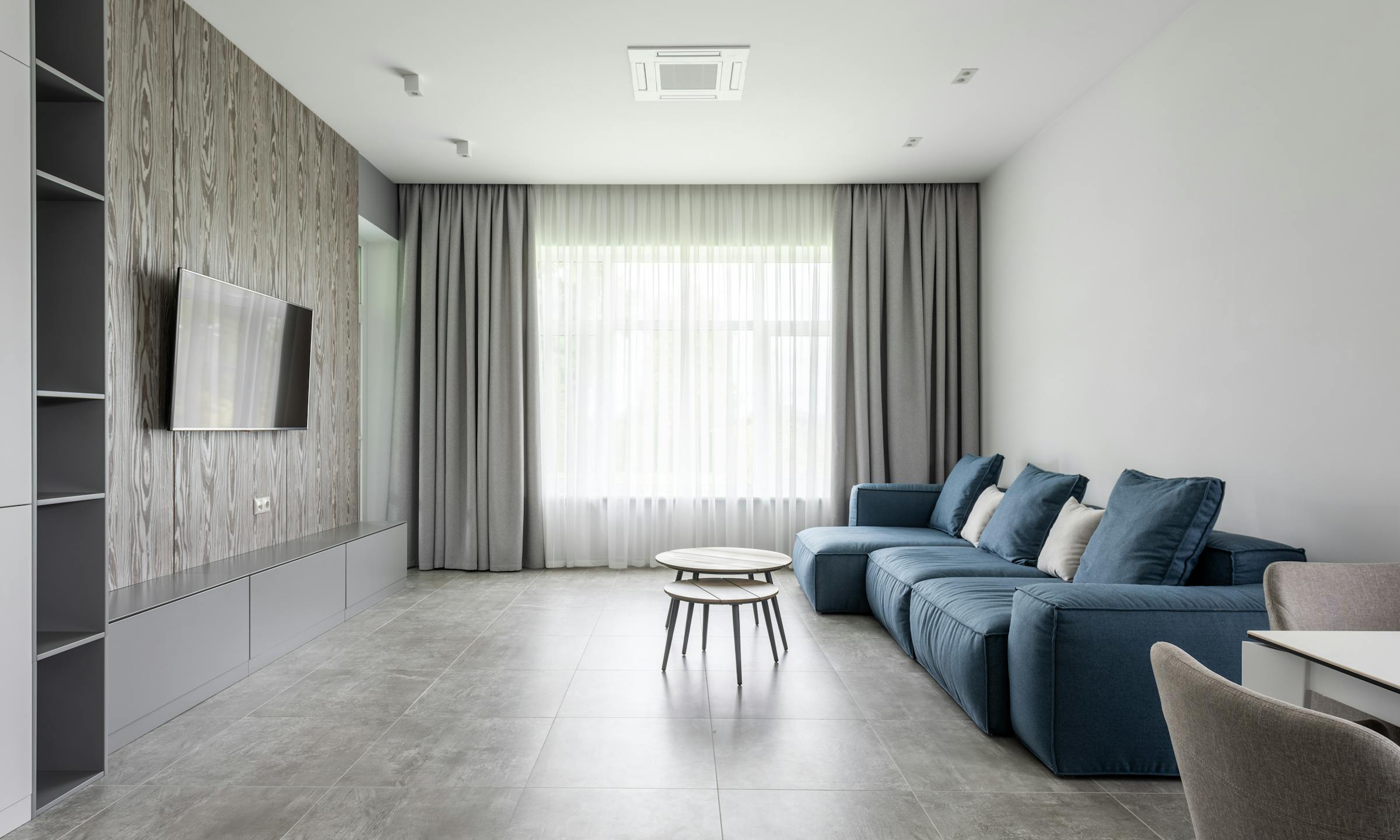
- The Item: A custom sectional sofa from a luxury Italian manufacturer.
- The Math:
- Trade Cost: $14,500
- Markup (35%): $5,075
- Client Price (Before tax/freight): $19,575
- Ocean Freight (Miami to San Juan port): $1,200
- Local Receiving & White-Glove Delivery: $850
- Landed Cost: $16,550
- The Timeline: The manufacturer quotes a 14-week lead time. Ocean transit from the Miami consolidator to the San Juan port takes 14 days. Customs clearance and port release require a 5-day buffer.
- The Bottleneck: The building’s HOA only allows freight elevator access for large FF&E deliveries on Tuesdays and Thursdays. It requires a $500 refundable deposit and a 72-hour advance booking.
If the container experiences a three-day delay at the port, you will miss your Tuesday elevator window. Without a local receiving warehouse to hold the sofa, you would face steep container demurrage fees — or be forced to reschedule the entire installation. By routing the sofa to a local receiver first, you can consolidate the delivery. You can then book the freight elevator with confidence once the items are safely on the island.
Building a Puerto Rico HOA specification package
When you submit your design to a San Juan HOA board, your presentation needs to be highly technical. The board members and building administrators are focused on risk mitigation, building integrity, and resident comfort. A standard design presentation will not suffice — you need a dedicated specification package.
Your HOA spec package should include:
- Slip-resistance ratings (DCOF) — For terrace tiles exposed to wind-driven rain and salt air, the board will look for a Dynamic Coefficient of Friction (DCOF) of 0.42 or higher to prevent slip hazards.
- Acoustic underlayment specifications — If you are replacing carpet with engineered hardwood or tile, most high-rises require a specific Impact Insulation Class (IIC) rating — often IIC 55 or higher — to minimize noise transmission to the unit below.
- Weight calculations — If your design features a heavy Calacatta marble kitchen island or a solid stone bathtub, you must provide the weight distribution details to prove it complies with the building's floor load capacity.
By organizing these technical details directly within your product library, you can generate a clean, professional PDF package for the board with a single click. This prevents endless back-and-forth emails.
How Alcove keeps your HOA dependencies organized
Instead of digging through old emails, WhatsApp chats, or paper binders to prove the board approved a specific plumbing fixture, you can centralize your entire workflow.
Alcove lets you store approval milestones, HOA dependencies, and revision history directly on the product level. You can upload the signed HOA board approval PDF directly to the specific item's detail page. This ensures your procurement team never issues a purchase order until the green light is documented.
This keeps your specs, approvals, and order tracking in one organized system — so you can spend more time on design decisions and less on administrative chase.
To see how we do it, visit alcove.co.

FAQs
What are the typical working hours allowed by HOAs in Condado and Isla Verde?
Most high-rise HOAs in San Juan restrict noisy construction work to weekdays between 8:30 AM and 4:30 PM. No work is permitted on weekends or local holidays. Freight elevator access for large FF&E deliveries often requires a separate 48-hour advance reservation — and is typically restricted to specific mid-day windows to minimize disruption for residents.
How should I handle ocean freight delays when coordinating with a building's delivery rules?
Always route your shipments through a local San Juan receiving warehouse rather than shipping directly to the condo. This allows you to inspect the items for transit damage, consolidate the entire order, and schedule a single, coordinated delivery day. This day will align perfectly with your reserved freight elevator window.
Can I export specific product spec packages from Alcove to submit to the HOA board?
Yes. Alcove allows you to generate professional PDF spec sheets and packages containing only the approved products, finishes, and technical details required by the HOA board. This saves you from manually copying data into separate presentation decks.
See how Alcove does this
See how Alcove keeps your specs, approvals, and order tracking in one organized system. See how Alcove does it.