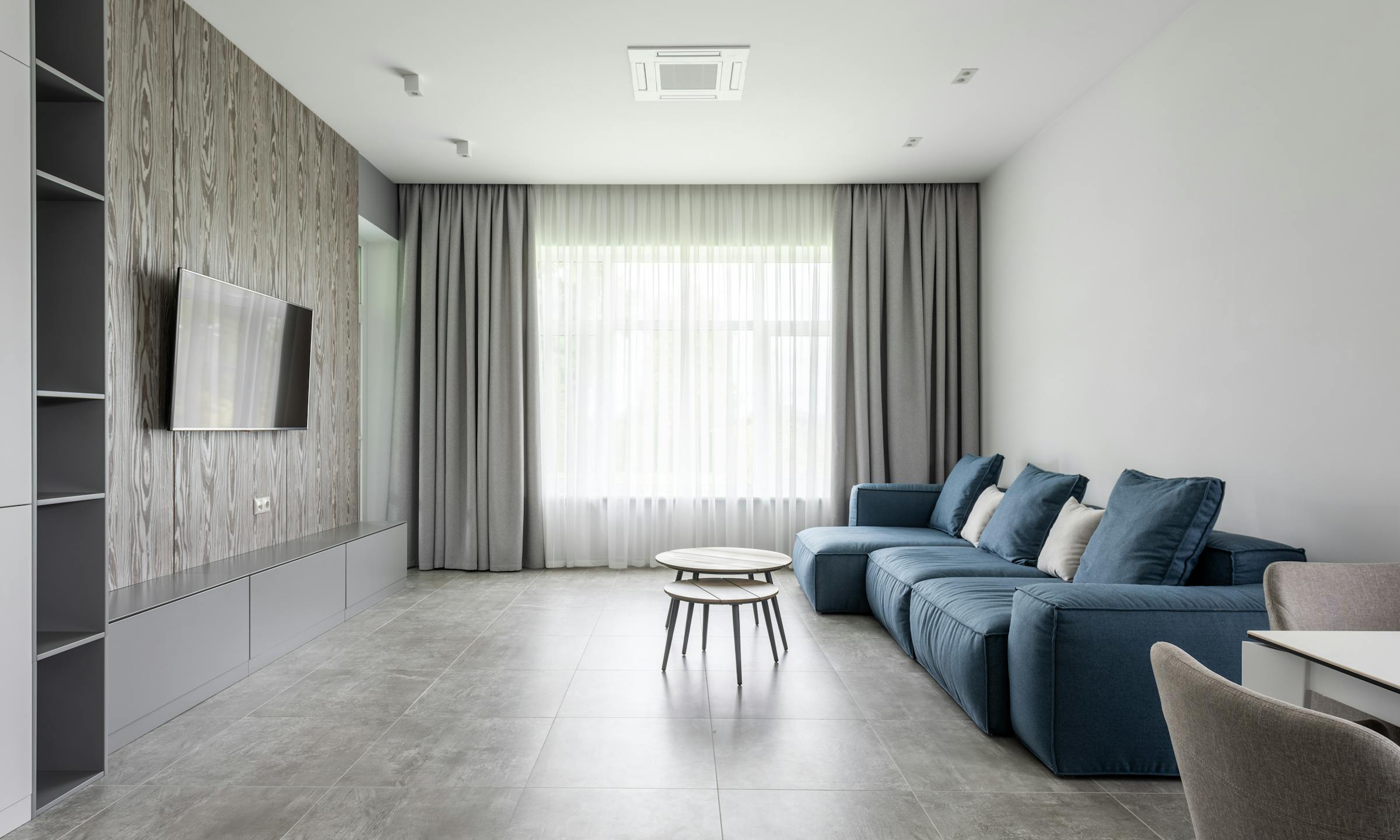
If you run an interior design studio, procurement can quietly drain your time and your margin. Specifying custom curved sofas and organic silhouettes is beautiful work—but it often means hours spent cross-referencing paper templates, checking hallway clearances, and chasing vendors for custom fabric yields before a purchase order is ever drafted.
Alcove at a glanceCentralize dimensions, finishes, and spec data per product.
Most studios already organize projects across pins, spreadsheets, and trackers long before a system enters the picture. You might be tracking these details in a master spreadsheet, keeping vendor quotes in Gmail, or trying to manage the client's expectations inside tools like Studio Designer, Ivy, or Houzz Pro. While those systems keep the basic numbers moving, sculptural furniture introduces physical realities—like radius sweeps, diagonal depths, and directional fabric stretching—that do not easily fit into a standard spreadsheet row.
When a custom piece arrives on install day, it needs to fit through the front door and look exactly as the client imagined. Doing this consistently requires keeping your technical specs, fabric calculations, and vendor conversations locked to the product line item from the very start.
Documenting the true footprint: Beyond standard width and depth
Alcove at a glanceRoute vendor and client email into the right project automatically.
A standard rectangular sofa is simple to measure. You need a width, a depth, and a height. A curved piece—such as a crescent sofa or an asymmetrical organic sectional—demands a different level of precision. If you rely solely on the manufacturer’s standard dimensions, you risk a major bottleneck during delivery.
Let's look at a concrete example. You are specifying a custom curved sofa from a trade vendor like Veranda Studio for a historic living room project.
The vendor lists the standard dimensions as:
- Width: 108 inches
- Depth: 38 inches
- Height: 32 inches
Because of the deep crescent sweep of the frame, the actual footprint is not a simple rectangle. The maximum outer arc of the back curve extends further than the front corners. More importantly, the maximum diagonal depth—the measurement from the highest point of the back frame to the front corner when tilted—is actually 44 inches.
If your client’s home has an entry door that is 36 inches wide, followed by a tight 90-degree turn in a 38-inch-wide hallway, this sofa will not make the turn.
Consider the financial stakes of this specification:
- Frame Net Cost: $4,500.00
- Studio Markup (35%): $1,575.00
- Shipping & Crating: $650.00
- Landed Cost to Client (before fabric): $6,725.00
If that sofa does not fit through the door on install day, you face an expensive return process, a restocking fee, or a costly on-site disassembly. To prevent this, always document the maximum diagonal depth and the pivot clearance path rather than relying on standard dimensions.
Managing custom fabric yields and COM details
Upholstering a curved back or an organic frame requires specialized techniques. Because the fabric must stretch and wrap around curves, standard yardage estimates do not apply.
A standard 90-inch tight-back sofa might require 15 yards of plain, 54-inch-wide fabric. However, if you choose a fabric with a directional pattern—such as a ribbed velvet or a large-scale botanical print—the workshop must align the pattern across the curved radius.
For the Veranda Studio crescent sofa, the workshop may estimate a 45% increase in yardage to accommodate the pattern repeat and the curve. This bumps your COM yardage requirement from 15 yards to 22 yards.
If you order the standard yardage without confirming the pattern layout, the frame will sit unfinished at the workshop. You will have to order another 7 yards, pray that the vendor has the same dye lot in stock, and pay additional shipping fees. Keep your COM yardage calculations, pattern repeat notes, and frame quotes locked together in your project files so you do not order insufficient yardage.
Tracking extended lead times and deposit timing
Sculptural furniture is rarely sitting boxed in a warehouse. These pieces are built to order, often requiring custom-engineered wood frames and hand-tied springs. Because of this craftsmanship, lead times of 16 to 24 weeks are common.
When lead times are this long, timing is everything. A vendor like Veranda Studio will not put a custom frame into production until they receive both the frame deposit and the COM fabric.
If your client delays their approval or deposit payment by even two weeks, your production slot can slip by two months. This delay can push your install day past the client's hard deadline—such as the winter holidays or a family move-in date.
To keep projects on track, tie your deposit collection directly to the technical spec approval. When the client signs off on the dimensions and the fabric, they should also fund the deposit. This keeps your cash flow healthy and secures your place in the vendor's production queue.
Presenting curved pieces for client approval without overselling availability
Clients easily fall in love with the striking silhouette of a curved sofa in a rendering. They rarely think about the 20-week wait, the custom fabric limitations, or the delivery path.
When you present these statement pieces, you need to show the beauty alongside the technical realities. Presenting your specs with complete transparency ensures your client understands what they are buying.
Your approval package should include:
- The aesthetic rendering or product image.
- The exact frame dimensions, including the maximum diagonal depth.
- A clear note about the 16-to-24-week lead time.
- A written confirmation that the clearance path has been verified.
When clients see that you have planned for every turn in their hallway, they sign off with confidence.
How Alcove keeps your sculptural specs and quotes in one place
Instead of digging through emails for fabric yields or searching spreadsheets for clearance dimensions, Alcove lets you attach quotes, custom dimensions, and lead times directly to the product line item. Our Chrome Clipper lets you pull product details directly from vendor sites into your project workspace with a single click—keeping your custom specs and vendor quotes locked together from day one.
So you can spend more time on design decisions and less on copying cells.
Price with clarity. Install with confidence. See how we do it at alcove.co.

FAQs
How do you calculate COM yardage for curved or tufted sofas?
Curved and tufted sofas typically require 15% to 30% more yardage than standard tight-back sofas due to the way fabric must stretch and wrap around organic frames. Always request a custom COM estimate from the frame manufacturer, providing the fabric width and pattern repeat details, and document this specific yield directly on your product specification sheet before ordering.
What is the best way to verify that a curved sofa will fit through a client's doorway?
To ensure a curved piece will fit, measure the maximum diagonal depth of the sofa and compare it to the narrowest point of the entry path, including doorways, stairwells, and elevator cabs. It is highly recommended to create a 1:1 paper floor template of the sofa's footprint to physically test the clearance path and placement on-site before finalizing the purchase order.
How do you handle client approvals for custom-made curved furniture?
Present the client with a detailed approval package that includes the frame dimensions, the custom fabric selection, the estimated lead time (typically 16-24 weeks for custom curves), and a clear sign-off on the clearance verification. Collecting a 100% deposit for custom items before generating the purchase order protects your studio's cash flow and locks in the vendor's production schedule.
See how Alcove does this
See how Alcove keeps your custom dimensions, vendor quotes, and client approvals organized in one place.





