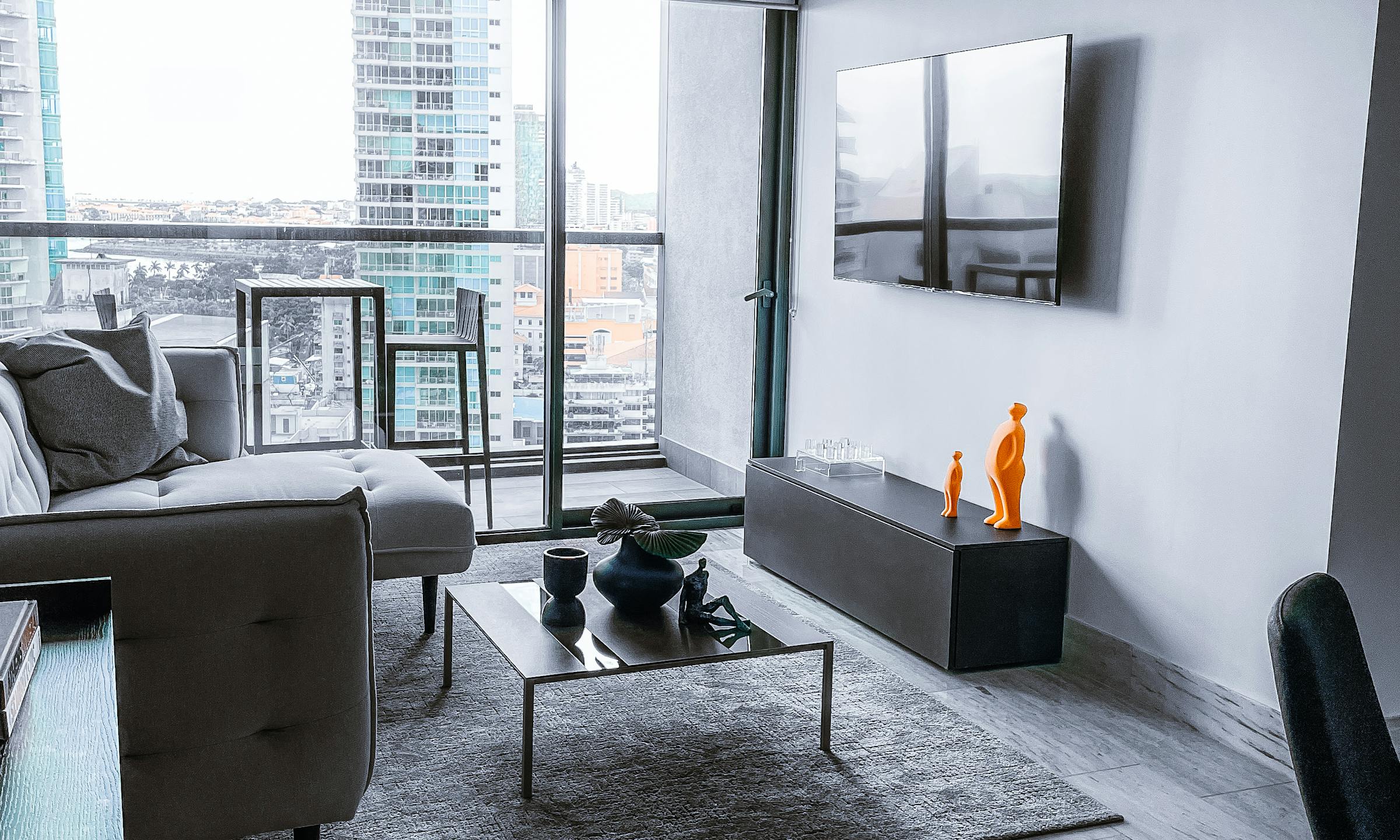
If you run a studio in Minneapolis or Chicago, designing a primary suite means designing for the long, gray stretch from November to April. The midwestern winter light quietly dictates every material choice—and procurement for these highly detailed spaces can quietly drain your time and your margin. A bedroom that feels airy and bright in July can easily feel cold, flat, and uninviting when the afternoon sun disappears at 4:00 PM in January.
Alcove at a glanceKeep room-level budgets visible to the team and the client.
Most studios already map out their textile layers, paint swatches, and lighting schedules across spreadsheets, Pinterest boards, and email threads long before a project goes to order. But when you are designing for the Great Lakes climate, your specifications require a level of detail that standard templates rarely accommodate. Every undertone, fabric weight, and color temperature must work together to combat the flat northern light.
Managing these complex specs while keeping your client's budget clear requires a highly intentional approach to both design and procurement.
The reality of Great Lakes winter design
Alcove at a glanceCentralize dimensions, finishes, and spec data per product.
In the Midwest, winter light is notoriously flat and cool. From late autumn to early spring, the sky behaves like a giant softbox—casting a cool, blue-gray tint through north- and east-facing windows. If you rely on the same design formulas that work in coastal or southern climates, the result can feel clinical.
A successful winter-focused primary suite must act as a sanctuary. This means your sample boards need to be evaluated under the actual light of the home, not just under the bright halogen bulbs of your studio. The goal is to build physical and visual warmth through carefully considered undertones, dense textile programs, and highly controlled lighting layers.
When you are managing dozens of custom line items to achieve this balance, keeping your specs organized is the only way to protect your design intent—and your studio's margin—as the project moves from concept to install day.
Specifying the right undertones for gray winter light
One of the most common pitfalls in cold-climate design is specifying a pure, cool white paint. Under a flat, overcast sky, a crisp white like Benjamin Moore’s Chantilly Lace can quickly turn a gloomy, icy blue.
Instead, look for complex neutrals that carry subtle yellow, pink, or green undertones. These warm bases bounce the limited natural light around the room—making the space feel lived-in and warm even on the darkest afternoons.
- Complex Whites: Consider Benjamin Moore’s Swiss Coffee or White Sand. These shades have enough warmth to resist turning gray under cool light, without looking yellow under evening lamplight.
- Muted Mid-tones: If your client wants a moodier space, look for warm taupes, soft terracottas, or deep moss greens.
- Trim and Ceiling Coordinates: Never leave the trim or ceiling to chance. Specifying a slightly warmer, satin-finish trim alongside an eggshell wall paint helps reflect light softly—breaking up the flat appearance of overcast days.
When you present these palettes, it is helpful to document the exact paint formulas, sheen levels, and coordinate numbers directly alongside your textile selections. This ensures that the painter, the builder, and your procurement team are all aligned on the exact finish schedule.
Layering textiles: the math of high-end bedding and drapery specs
To create physical warmth and absorb drafty chill, a winter suite needs a heavy textile program. This means specifying heavy linen drapery lined with flannel, thick wool rugs with dense felt pads, and layered bedding that can be adjusted as the seasons change.
These high-end, multi-layered textile specs require precise math to prevent shipping costs and workroom fees from eating into your profitability.
Let’s look at a realistic worked example for a primary suite in Lake Minnetonka. You are specifying custom drapery and a matching alpaca throw for the foot of the bed.
- Fabric Vendor: Rogers & Goffigon
- Drapery Fabric: 100% Belgian Linen (Heavyweight)
- Required Yardage: 28 yards
- Trade Cost: $115.00 per yard
- Total Trade Cost: $3,220.00
- Studio Markup: 35%
- Client Price per Yard: $155.25
- Total Client Product Price: $4,347.00
- Workroom Labor (Fabrication & Flannel Lining): $1,800.00 (flat trade cost, marked up 20% to client: $2,160.00)
- Estimated Freight & Crating: $210.00
- Lead-Time Range: 8 to 10 weeks
[Trade Fabric: $3,220.00] + [Trade Labor: $1,800.00] = $5,020.00 Base Cost
[Client Fabric: $4,347.00] + [Client Labor: $2,160.00] + [Freight: $210.00] = $6,717.00 Landed Client Price
Studio Gross Margin: $1,487.00
Without tracking the freight estimate and the custom workroom labor alongside the raw fabric yardage from the very beginning, your studio risks absorbing these costs when the final invoices arrive. Keeping these detailed calculations tied directly to the product spec ensures you price with clarity and install with confidence.
The three-layer lighting plan for dark winter afternoons
With sunsets arriving before 4:30 PM in January, a single overhead fixture or a few scattered recessed lights will not suffice. To create a cozy, inviting glow, you need a highly structured, three-layer lighting plan.
- Ambient Architectural Light: Use recessed fixtures with warm-dim technology. These fixtures should sit at 2700K at full brightness but drop down to a warm, candle-like 2200K or lower as they are dimmed.
- Functional Task Light: Spec adjustable, shaded reading sconces on either side of the bed. Shaded fixtures prevent glare and direct light exactly where it is needed.
- Decorative Accent Light: Incorporate low-level table lamps with fabric or paper shades. The shades diffuse the light—preventing harsh shadows and warming up the corners of the room.
Every fixture in your lighting schedule must have its color temperature, wattage, and dimming capability clearly documented. This prevents the electrical contractor from installing cool-toned 3000K or 4000K LED bulbs, which would instantly ruin the warm atmosphere you have designed.
Keeping complex winter specs organized for client approval
When you are managing dozens of custom textile, lighting, and paint specs for a single primary suite, relying on scattered emails, spreadsheets, or general project management tools can quickly lead to ordering errors. If a fabric yardage is miscalculated or a lighting color temperature is missed, the mistake might not be discovered until install day.
You might currently track these detailed specifications in a master spreadsheet, or manage client feedback across tools like Houzz Pro, Studio Designer, Ivy, or QuickBooks. While those systems keep your accounting or basic tasks moving, they often separate your design details from your client’s decision-making process.
Alcove lets you tie your finish selections, lighting line items, and textile specs to a single, polished room-by-room approval package so your client can approve the entire winter-suite concept with full budget visibility. By keeping your design specs, trade pricing, and client approvals in one organized workspace, you can spend more time on design decisions and less on copying cells.
Price with clarity. Install with confidence.
See how we do it at alcove.co.
FAQs
What is the best color temperature to spec for Great Lakes winter lighting?
Always spec 2700K or warm-dim fixtures—which drop to 2200K or lower when dimmed—for residential primary suites. Avoid 3000K or higher, as these cooler temperatures mimic the harsh, flat daylight of a midwestern winter afternoon and prevent the space from feeling cozy.
How do I handle shipping and freight calculations for heavy winter textiles and rugs?
Heavy wool rugs and custom lined draperies carry significant freight costs. In Alcove, you can track estimated shipping and crating fees as separate line items on your initial estimates, ensuring your client sees the true landed cost before you generate the purchase order.
How can I present a cohesive winter palette without the client worrying it will feel too heavy in July?
Focus on breathable, natural luxury. Specifying materials like Belgian linen, wool, and silk allows the room to breathe during humid midwestern summers while providing essential insulation and visual weight during the freezing winter months.
See how Alcove does this
See how Alcove helps you tie complex textile, lighting, and finish specs directly to client approval packages.