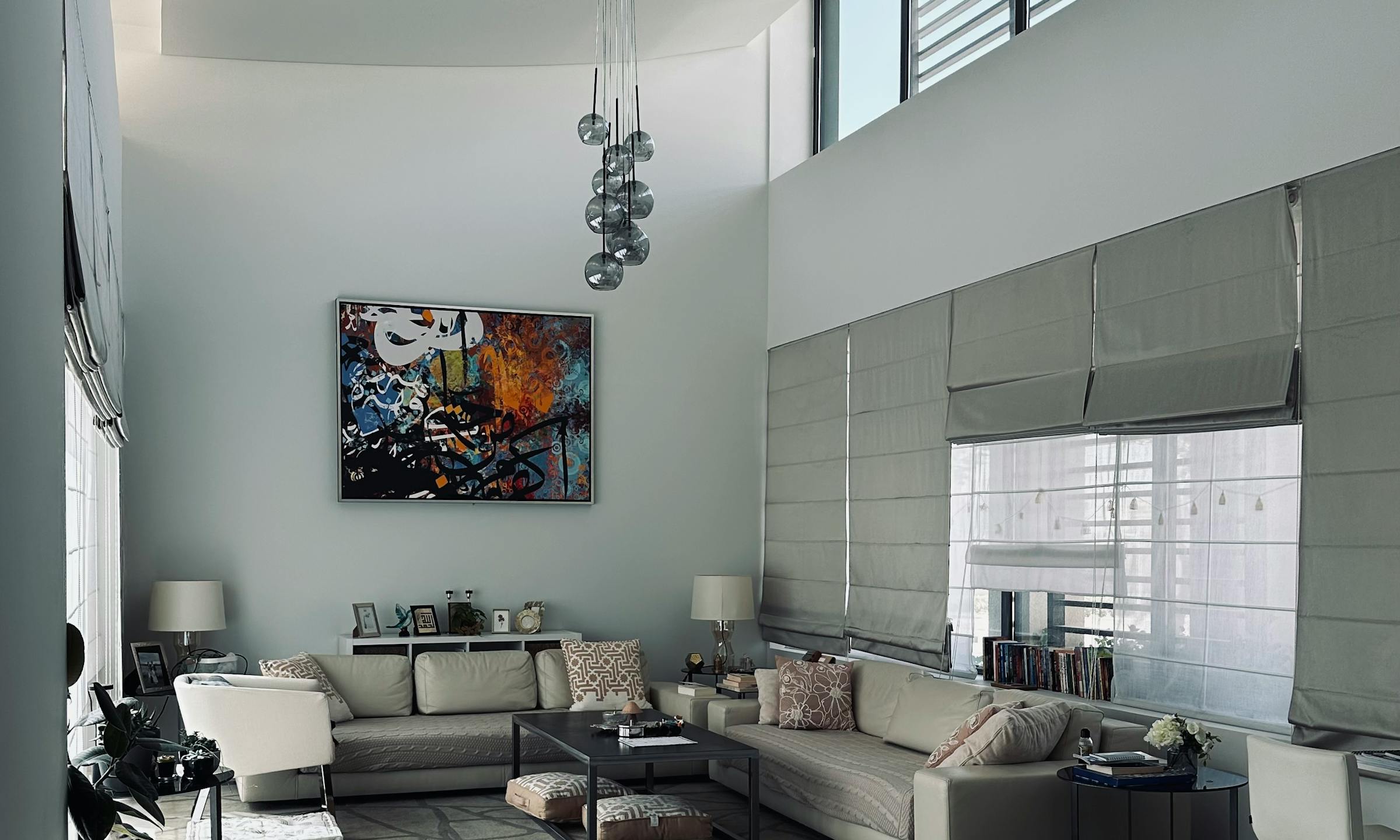
How to specify and document high-durability family rooms for active Texas homes
If you run an interior design studio in Texas, specifying for active families can quietly drain your time and your margin. Muddy paws from the yard, damp swimsuits from the pool, and intense Hill Country sunlight will quickly test the limits of any fabric. Most studios already track performance characteristics across spreadsheets, binders, and vendor tear sheets long before a single fabric is approved.
Alcove at a glanceCentralize dimensions, finishes, and spec data per product.
When you are designing a high-traffic family room, you cannot rely on a vendor's generic "performance" label. You need a systematic way to document technical durability metrics, present clear cost-versus-longevity tradeoffs to your clients, and protect your studio from liability when life happens to a custom sofa.
The core metrics: What to track for high-use upholstery and rugs
Alcove at a glanceTrack client approvals and decisions in one place.
To protect your design and your margin, your product specifications must go beyond aesthetics. You need to document the exact technical metrics for every textile and floor covering in the room. When you are writing specs for a high-wear family room, track these critical data points on every item:
- Wyzenbeek double-rub counts — for family sofas and sectional frames, aim for heavy-duty residential or contract-grade fabrics rated at 50,000 double rubs or higher.
- Fiber content and construction — document whether a fabric is a solution-dyed acrylic, a polyester blend, or a natural fiber with a protective finish to withstand UV rays from large Texas windows.
- Cleaning codes — clearly record whether the item requires code W, S, or W-S to prevent a homeowner from ruining a custom piece during their first weekend spill.
- Rug construction and pile height — specify flatweaves, low-pile hand-knotted wool, or high-performance synthetic rugs with a pile height under 1/4 inch for easy vacuuming.
By recording these metrics directly in your project database, your team can reference the technical data during procurement without searching through old manufacturer PDFs.
How to present durability and cost tradeoffs to clients
Clients often fall in love with the hand of a delicate natural fiber but need the durability of a synthetic blend. To help them make an informed decision, present the financial and functional tradeoffs side-by-side.
Let's look at a realistic scenario for a custom sectional from a regional vendor — Lone Star Frame & Upholstery.
Option A: The aesthetic choice (100% Belgian linen)
- Fabric: 100% Belgian Linen (20,000 double rubs, Cleaning Code S)
- Frame + Fabric Cost: $6,500 trade cost
- Studio Markup (35%): $2,275
- Client Price: $8,775 (plus shipping and receiver fees)
- Lead Time: 12–14 weeks
- The Reality: High risk of staining, stretching, and premature wear in a home with three kids and a golden retriever.
Option B: The high-performance choice (Solution-dyed acrylic blend)
- Fabric: Performance Acrylic Blend (100,000 double rubs, Cleaning Code W-S, UV resistant)
- Frame + Fabric Cost: $7,800 trade cost
- Studio Markup (35%): $2,730
- Client Price: $10,530 (plus shipping and receiver fees)
- Lead Time: 14–16 weeks
- The Reality: Resists spills, pet hair, and fading from southern sun exposure. It is easy to spot-clean.
| Option | Client Price | Double Rubs | Cleaning Code | | :--- | :--- | :--- | :--- | | A: Belgian Linen | $8,775 | 20,000 | Code S | | B: Performance | $10,530 | 100,000 | Code W-S |
When you present these numbers, show the client the long-term value. A $1,755 price difference upfront saves them from a costly reupholstery job or a complete replacement in three years. Frame the decision around longevity. Price with clarity. Install with confidence.
What belongs in a family-room performance specification note?
Your purchase orders and client approval documents need standardized language to protect your studio from liability. A generic description is not enough. Your specification notes should explicitly state the performance expectations, backing requirements, and natural characteristics of the material.
Here is a template note you can adapt for your family-room upholstery specifications:
Specification Note: Fabric must be specified with an acrylic backing for dimensional stability on high-use frames. All fabric must be treated with an approved stain-resistant finish prior to delivery to the upholsterer. Client acknowledges that natural fibers and performance blends may exhibit slight pilling, shading, or dye-lot variations which are characteristic of the material and not considered defects. Wear and tear from pets, sharp objects, or improper cleaning agents are outside the manufacturer and designer warranty.
Including this note on your POs ensures the workroom, the receiver, and the client are aligned on the technical requirements before production begins.
Managing alternates and approvals without the spreadsheet chaos
When you are managing a large residential project, a sudden backorder can disrupt your entire timeline. If your primary performance fabric is delayed by 16 weeks, you need to quickly pivot to an approved alternate without losing your client's trust or your team's momentum.
Most studios already organize these details across spreadsheets, Gmail threads, and Dropbox folders long before a system enters the picture. While those tools work well for basic tracking, they make it easy for critical details — like backing requirements or dye-lot approvals — to slip through the cracks.
Alcove helps your team keep these decisions organized by tracking durability requirements, approved performance options, and alternates directly by room.
Our platform lets you link backup fabric selections directly to your primary specification. If a lead time suddenly spikes, your team can swap to an approved alternate with a single click. This keeps your specs, quotes, approvals, and POs tied to a single source of truth — so you can spend more time on design decisions and less on copying cells.
See how we do it at alcove.co.
FAQs
What is the minimum double-rub count for a high-use family sofa?
For active family rooms, aim for heavy-duty residential or contract-grade fabrics rated at 30,000 to 50,000 double rubs on the Wyzenbeek scale. For homes with multiple pets or very active kids, specifying fabrics with 50,000+ double rubs ensures the material won't prematurely wear or pill.
How do you document fabric backing requirements for high-traffic upholstery?
Always specify whether a fabric requires acrylic or latex backing in your product specs and PO notes. Backing adds dimensional stability — preventing seam slippage and extending the life of lighter-weight or loosely woven fabrics on high-wear frames.
How should I handle client pushback on the cost of performance fabrics?
Frame the cost as an investment in longevity. Show them the math — a standard fabric that needs professional cleaning or reupholstering in three years costs significantly more over time than investing in a high-quality performance fabric upfront. Price with clarity. Install with confidence.
See how Alcove does this
See how Alcove keeps your durability specs, approved alternates, and client approvals organized in one place.