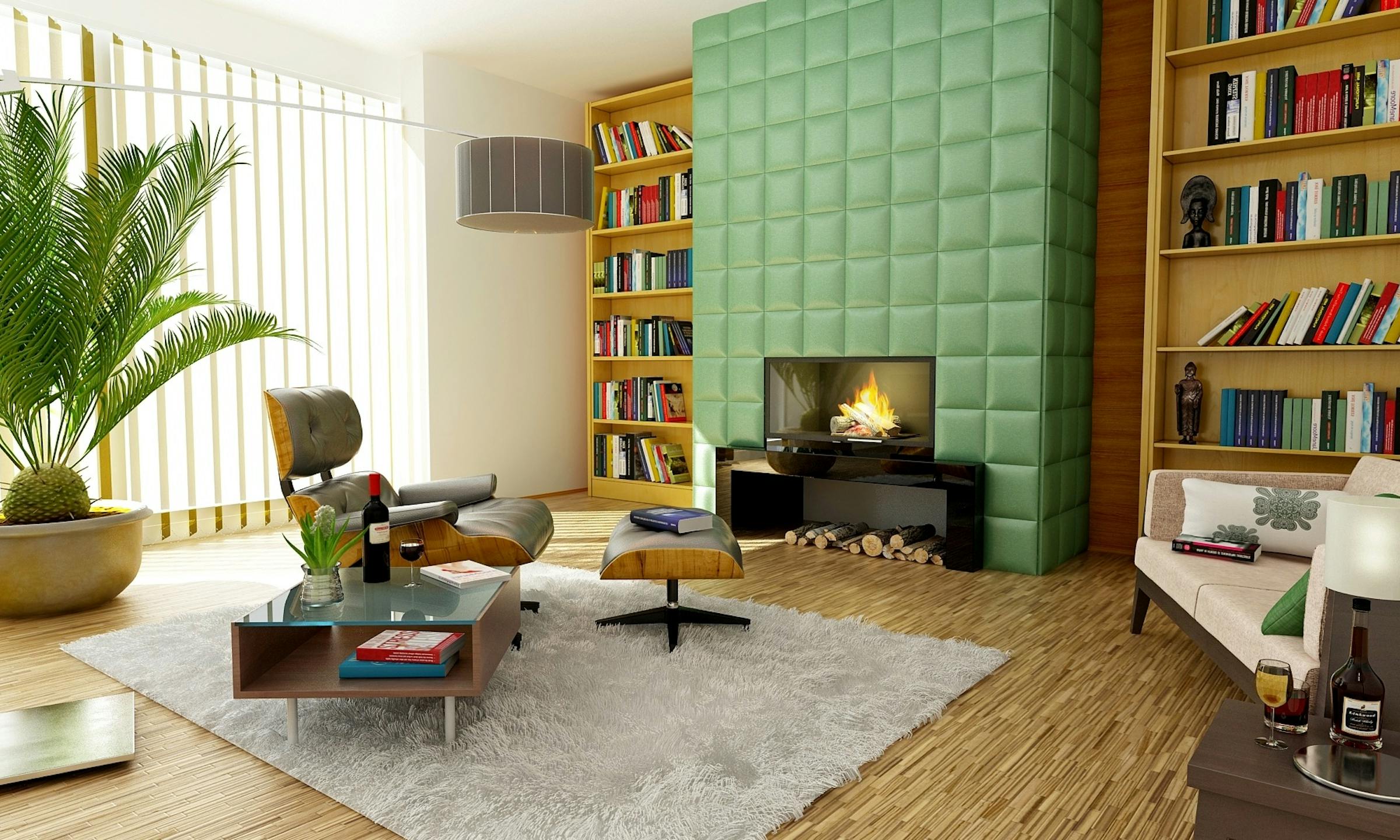
What should designers include in an aging-in-place design checklist?
If you design for clients planning a forever home, you know the conversation about future accessibility can be delicate. But planning for these needs now saves them a lot of expense and disruption later. It ensures the home you design today serves them well for decades.
Alcove at a glanceTrack client approvals and decisions in one place.
Most studios I know are already having these conversations. We aren't just picking finishes—we're designing spaces that support a client's life, now and in the future. It’s about proactive design, not reactive fixes.
Understanding the why behind aging-in-place
Alcove at a glanceCentralize dimensions, finishes, and spec data per product.
Framing this conversation is everything. This isn't about planning for decline—it's an investment in a client's future comfort and independence. When we introduce these ideas, we're not talking about a sterile, institutional look. We're talking about a home that remains a sanctuary through all of life's stages.
Good design is adaptable. When you integrate these principles from the start, you build deeper trust with your client. You show them you’re thinking about their home as a living space that will evolve with them—not just a project to be completed. This kind of foresight is a valuable part of our service.
Strategic planning: rooms and circulation
Long-term accessibility starts with the floor plan. The decisions we make about layout have the biggest impact on how easily someone can move through their home years from now.
Focus on these foundational elements:
- Wider doorways and hallways. Aim for a minimum of 36-inch-wide doorways. This allows for comfortable passage—whether for carrying groceries, moving furniture, or using a walker or wheelchair. Hallways should be at least 42 inches wide.
- Clear pathways. Even a beautiful open-concept plan can become an obstacle course. Plan for clear, unobstructed pathways through main living areas. This makes movement easier and reduces trip hazards.
- Single-level living. A primary suite on the ground floor is the gold standard, if possible. This should include a full bathroom and laundry. For multi-story homes, consider stacking closets. This creates a ready-made shaft for a future elevator—no major structural changes required later.
Thoughtful space planning from the beginning prevents costly, disruptive renovations later. It gives your clients effortless flow.
Key elements: flooring, lighting, and hardware
The small details can make the biggest difference in daily life. Your material and fixture choices are critical for safety and usability.
Flooring
The ideal flooring is both beautiful and safe. Look for materials with a high coefficient of friction (COF) to prevent slips—especially in kitchens and bathrooms. Hardwood, luxury vinyl tile (LVT), and low-pile carpet are all good choices. Minimize transitions between flooring types. A zero-threshold transition is best. If you have to have a change in height, keep it under a quarter-inch with a beveled edge.
Lighting
Layered lighting is your best tool for a safe and comfortable environment. Good lighting reduces eye strain and prevents falls.
- Ambient lighting: Provides overall illumination. Think recessed cans or stylish ceiling fixtures.
- Task lighting: Focuses light where it’s needed most, like under cabinets in the kitchen or next to a reading chair.
- Accent lighting: Highlights architectural features or art.
Use dimmers everywhere to control intensity and reduce glare. Rocker-style light switches are also easier to operate than standard toggles for people with limited hand strength.
Hardware
Knobs and pulls are where function has to meet form. Lever-style handles on doors and faucets are easier to grip and turn than round knobs. The same goes for cabinetry—consider pulls instead of small knobs. It's a simple swap that makes a big difference in ease of use for anyone.
The heart of the home: kitchens and bathrooms
Kitchens and bathrooms are the most functional rooms in the house—and often the most hazardous. Prioritizing accessibility here is non-negotiable.
Kitchens
A functional kitchen is an accessible one.
- Varying counter heights. A section of countertop at a lower height—around 30 inches—creates a comfortable workspace for seated tasks.
- Roll-under access. A roll-under sink or prep area gives access to someone in a wheelchair.
- Smart storage. Pull-out pantry shelves, deep drawers for pots and pans, and upper cabinets with pull-down mechanisms bring everything within reach. This gets rid of the need for step stools.
Bathrooms
Safety is paramount in the bathroom.
- Curbless showers. A zero-threshold or roll-in shower is one of the most important features. It eliminates a major trip hazard. Include a built-in or portable bench and a handheld showerhead.
- Grab bar reinforcement. Even if your clients don't want grab bars now, install blocking in the walls during construction. Plywood reinforcement behind the drywall—around the toilet and in the shower—makes it simple to add them later without tearing the wall apart.
- Comfort-height toilets. Toilets that are 17-19 inches high are easier to use than standard-height models.
These features ensure the most essential spaces in the home stay safe and functional as your clients' needs change.
Beyond the basics: storage, technology, and future-proofing
True future-proofing thinks beyond the immediate floor plan.
- Accessible storage. Plan for storage to be within a comfortable reach zone—usually between 15 and 48 inches from the floor. This applies to closets, pantries, and linen storage.
- Smart home technology. Smart home devices can be a huge help. Voice-activated or app-controlled lighting, thermostats, and security systems offer convenience and control for people with mobility challenges.
- Structural foresight. As we talked about, planning for a potential elevator is smart. Also, make sure there is an accessible, main-floor entrance with no steps—or a spot where a ramp can be easily added.
Thinking about these elements now creates a home that is ready for anything.
Documenting your choices: specs and approvals
If you run a studio, you know the mountain of details that goes into every project. For an aging-in-place design, documenting the why behind your choices is just as important as the what.
Right now, you might be tracking these specs in a spreadsheet. The client's approval for the shower tile is in one email. The vendor quote is in another. The spec sheet for the grab bar blocking is in a PDF on a shared drive. It works—but it’s fragile. When the contractor has a question on-site, you’re the one digging for the answer.
Let’s walk through a real-world example. You’re specifying a grab bar for the primary bathroom.
- Item: Classic 24" Grab Bar
- Vendor: Bath Fixtures Inc.
- Model: BFI-GB24-MB
- Finish: Matte Black
- Trade Price: $92.00
- Markup (35%): $32.20
- Client Price: $124.20
- Notes: Client approved matte black finish to match other fixtures. Confirmed placement with contractor to ensure 3/4" plywood blocking is installed at 34" AFF before drywall. Lead time is 2-4 weeks.
This level of detail is crucial. Six months from now, when the client asks why that specific bar was chosen—or a year later when they want to add another one—the answer is right there. You have a clear record of the product, the price, the placement requirements, and the client's sign-off.
This is where a central system helps. Alcove gives your team one organized system for specs, rationale, client approvals, and POs. The "why" behind every decision is always connected to the "what."
Price with clarity. Install with confidence.
Having a single source of truth protects your design intent. It provides a clear, permanent record for your clients, your contractors, and your own team. Those critical details are never lost in an email chain.
Bringing it all together: the client conversation
How you introduce these ideas matters. Approach the conversation with empathy. Frame it as a smart investment in their future. Focus on longevity, convenience, and creating a home that will support them for the long haul.
Listen to their vision. Some clients will be ready for everything. Others may prefer to start with simple things like blocking in the walls and lever handles. Your role is to provide the options and explain the long-term benefits. Then you can tailor the design to their comfort level and budget. When you do this well, you become a trusted advisor for one of the most important assets in their life.
If you’re curious about keeping these long-range decisions, specs, and approvals organized, you can see how we do it.

FAQs
What's the difference between universal design and aging-in-place?
Universal design aims to create spaces usable by all people—without needing special adaptation. Think of it as designing for everyone from the start. Aging-in-place is more specific. It focuses on modifying a home so the current residents can live there safely as they get older. There's overlap, but universal design is a broad philosophy and aging-in-place is a targeted approach.
How do I talk to clients about aging-in-place without making them feel old?
Frame it as an investment in their long-term comfort and independence. Instead of focusing on limitations, highlight the benefits of a flexible, adaptable space. You might say, 'Let's design a home that works for you today, and just as well for the next 20 years.' Focus on convenience and safety—not age.
Are there specific budget considerations for aging-in-place features?
Many features—like lever handles or curbless showers—can be part of a standard renovation budget if you plan from the start. The real cost savings come from avoiding retrofits later. Bigger structural changes like widening doorways will increase the budget, but they're long-term investments. Discussing these options early lets clients prioritize and budget. It usually saves them money in the long run.
Should I involve a specialist in aging-in-place design?
For complex projects or clients with specific medical needs, working with a Certified Aging-in-Place Specialist (CAPS) or an occupational therapist can be a good idea. They bring specialized knowledge of standards and adaptive tech. For most projects, a designer who understands these principles can handle it well. But knowing when to bring in an expert is key to getting the best result for your client.
See how Alcove does this
If you’re curious about keeping these long-range decisions, specs, and approvals organized, you can see how we do it.