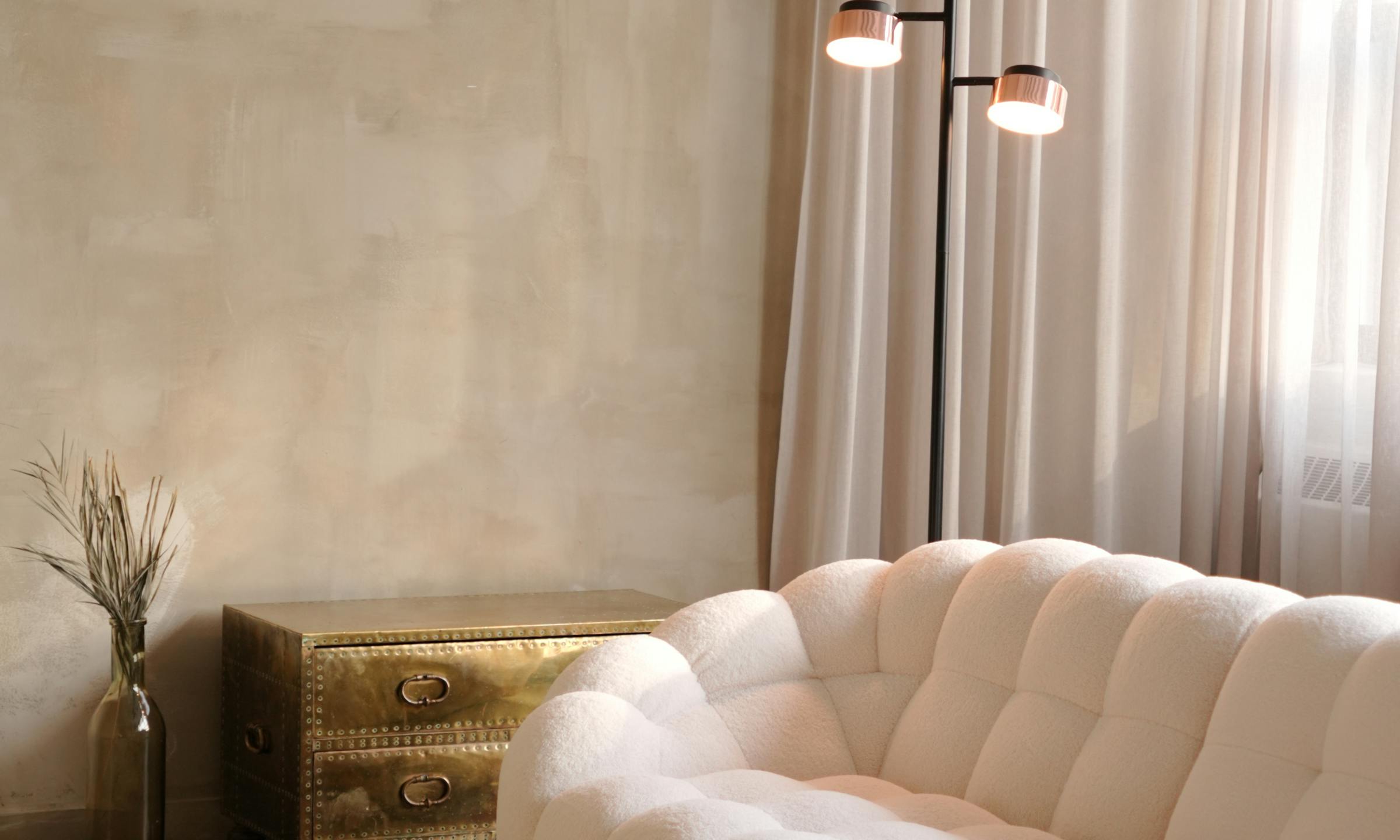
If you run an interior design studio, working with heritage properties can quietly drain your time and your margin. Thick stone walls, lime-plaster finishes, and protected historic fabric mean you cannot simply specify standard mounting hardware or heavy fixtures without deep coordination. Every piece of FF&E must be specified with its architectural host in mind — acknowledging the physical limits of the property from day one.
Alcove at a glanceCentralize dimensions, finishes, and spec data per product.
In regions like Andalusia, where a project might be a 17th-century cortijo in the hills of Ronda or a tall, narrow townhouse in Seville’s Barrio Santa Cruz, these challenges are magnified. You are not just placing furniture — you are negotiating with centuries-old clay bricks, structural timber beams, and strict local heritage laws.
To protect your design and your business, your specification process must change. Here is how to document FF&E within these historic constraints.
Documenting reversible mounting and structural weight limits
Alcove at a glanceKnow where every item stands from selection through install.
Most studios already use detailed site surveys long before a system enters the picture. However, historic townhouses in Seville or Córdoba require specific mounting details. When dealing with protected structures, the golden rule of conservation is reversibility. Any fixture you add must be removable without leaving permanent damage to the historic fabric.
When you specify wall-mounted items — such as heavy mirrors, sconces, or shelving — you cannot rely on standard drywall anchors or heavy-duty expansion bolts. These can crack historic lime plaster or split old clay bricks.
Instead, your specification packages should detail alternative mounting methods:
- Tension-based or floor-weighted mounts: Specify consoles and shelving units that carry their weight down to the floor, using wall attachments only to prevent tipping.
- Lime-mortar compatible anchors: If wall-mounting is unavoidable, specify non-corrosive anchors — such as brass or stainless steel — and lime-compatible mortars to prevent chemical reactions that can stain or crack the plaster.
- Ceiling suspensions: For heavy lighting, look to the structural timber beams above. Specify custom wrought-iron brackets that wrap around or clamp to existing beams rather than drilling directly into them.
Document these requirements directly on the product specification sheet so your contractor and installer know exactly what is required before they arrive on site.
Specifying for microclimates: Heat, humidity, and courtyard exposure
Andalusian homes historically rely on passive cooling. Thick walls keep interiors cool in the summer, but they also trap moisture in the winter. Courtyards and shaded patios create distinct microclimates where indoor-outdoor transitions, intense summer heat, and damp winter stone affect your finishes.
If you specify a piece without accounting for these thermal and moisture cycles, the finish will fail.
Worked example: A custom courtyard console
Let us look at a realistic scenario. You are specifying a custom console table for a semi-exposed patio in a restored cortijo near Grazalema.
- The Piece: A hand-forged iron console with a local Macael marble top.
- The Vendor: Herrería El Yunque, a local metal workshop.
- The Environmental Constraints: High UV exposure in July (up to 42°C), damp conditions in January, and high lime dust.
Here is how you document the specifications and financials for this piece:
Product: Custom Courtyard Console
Dimensions: 1500mm W x 450mm D x 850mm H
Base Material: Hand-forged wrought iron
Base Finish: Zinc-rich epoxy primer (rust inhibitor) + matte polyurethane topcoat (UV-resistant)
Top Material: 30mm Macael white marble, honed finish (not polished, to prevent rainwater etching)
Sealer: Penetrating, breathable sealer (Fila MP90 or equivalent)
Mounting: Floor-weighted, with two reversible brass wall-ties anchored into lime mortar joints
Lead Time: 8–10 weeks
To manage the financials of this custom piece, your studio’s internal calculations must account for the specialized crating and delivery to a remote rural site:
- Trade Cost: €1,800.00
- Custom Crating & Transport: €250.00
- Landed Cost: €2,050.00
- Studio Markup (35%): €717.50
- Client Price: €2,767.50 (excluding VAT)
By documenting the exact finish requirements and weight limits in your spec, you prevent the metal from rusting within its first winter and ensure the marble does not stain from standing rainwater.
Managing client approvals and structural dependencies
When a client approves a heavy wrought-iron chandelier or a custom marble basin, they must also approve the structural prep work required to hang or plumb it. If you do not tie these dependencies together, you risk a situation where the client loves the fixture but refuses to pay for the unexpected masonry work required to install it.
When presenting high-risk or heavy heritage pieces for approval, make the structural requirements part of the sign-off process.
For example, if you are specifying a solid stone basin weighing 80kg for a powder room with historic brick walls, your approval document should state: “Approval of this item is contingent on the installation of an independent steel support frame behind the wall finish, to be coordinated with the main contractor.”
This keeps the client informed of the true cost of their design choices and protects your studio from bearing the cost of structural surprises.
How to organize historic specs without losing your mind
Most studios already organize projects across pins, spreadsheets, and trackers long before a system enters the picture. You might be using a combination of spreadsheets, digital folders, and email threads to keep track of your site notes and vendor quotes. But when you are managing the delicate constraints of a historic restoration, copying and pasting these critical notes across different files leaves too much room for error.
Instead of burying structural constraints in separate documents, you can keep them directly on the product record. Alcove lets you store room-by-room constraint notes, approval milestones, and revision history linked to each selection.
When you clip a product or draft a spec, you can log physical installation requirements and client sign-offs on the item's detail card, keeping your design intent and structural realities in one place. This ensures your team, your client, and your contractor are always looking at the exact same source of truth on install day.
So you can spend more time on design decisions and less on copying cells.
See how we do it. Learn more at alcove.co.

FAQs
What is the best way to specify lighting fixtures for lime-plastered walls?
When specifying lighting for traditional lime-plastered walls, always detail surface-mounted wiring solutions, decorative conduit, or floor-plugged fixtures to avoid chasing wires into historic masonry. If wall-mounting is unavoidable, specify non-corrosive anchors — such as brass or stainless steel — and lime-compatible mortars to prevent chemical reactions that can stain or crack the plaster.
How do you handle heavy mirrors and art in historic cortijos?
For heavy items in properties with fragile or historic walls, specify floor-standing designs, easel mounts, or ceiling-suspended hanging systems that anchor into structural timber beams rather than the wall fabric. Always document the weight of the item and the approved anchoring points directly in your FF&E specification package.
How can I track client approvals for custom, high-risk heritage pieces?
Use a dedicated client portal to present the item alongside its specific installation requirements and structural dependencies. In Alcove, you can collect clear digital approvals on individual line items, ensuring the client signs off on both the design and the necessary structural preparation before you issue the purchase order.
See how Alcove does this
See how Alcove keeps your structural constraints, client approvals, and product specs organized in one place. See how Alcove does it.