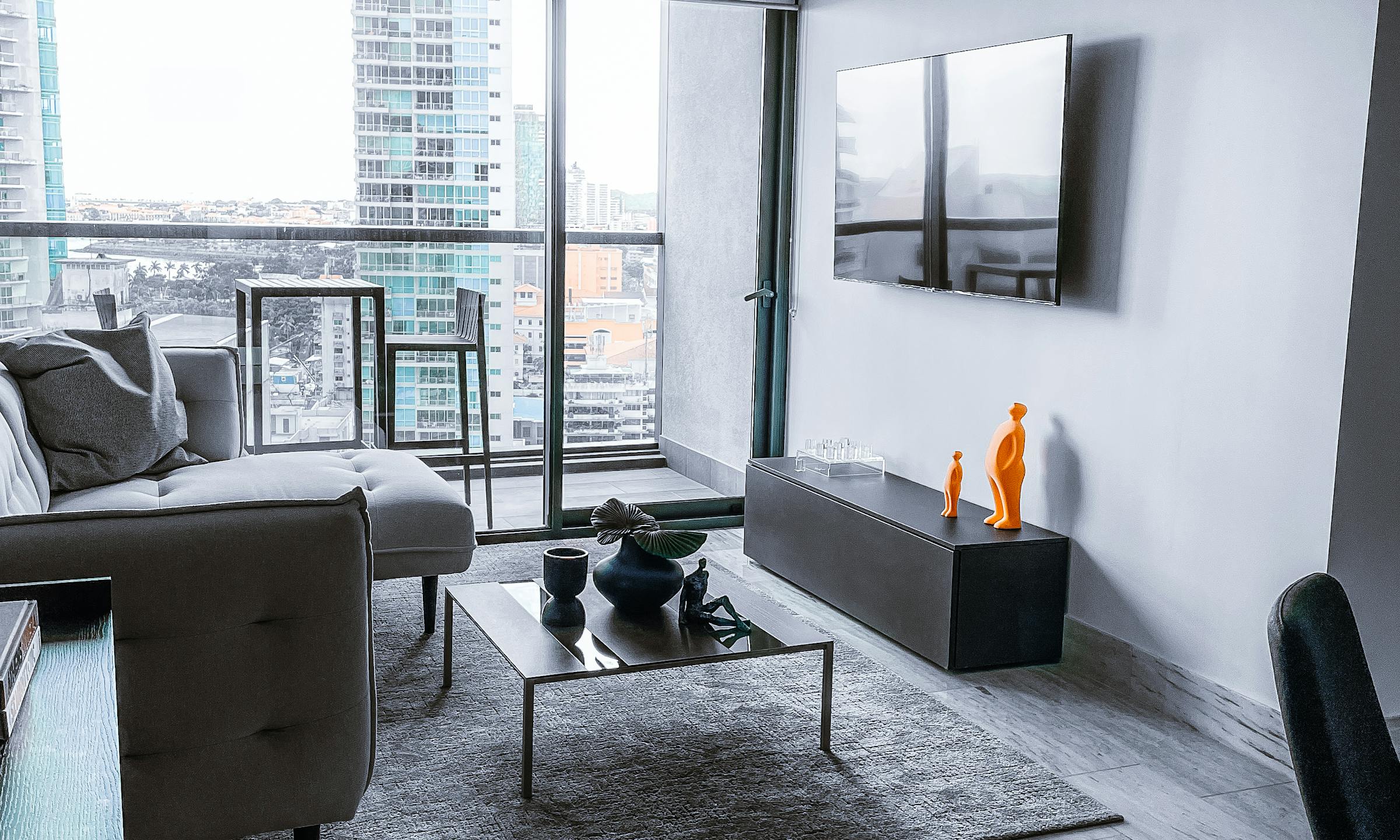
If you run a studio along the Dutch coast, North Sea salt spray and damp winds can quietly drain your time and your margin. The coastal elements do not compromise. An exterior light fixture that thrives in an inland Hague townhouse will pit, corrode, and fail within months on a balcony overlooking the Strandweg.
Alcove at a glanceCentralize dimensions, finishes, and spec data per product.
Most studios already track these exposure risks across pins, spreadsheets, and messy email threads long before a project begins. But protecting your client’s investment—and your studio's reputation—requires documenting marine-grade specifications from the very first concept.
The reality of North Sea exposure
Alcove at a glanceKnow where every item stands from selection through install.
North Sea air carries a high concentration of sodium chloride—a constant abrasive when driven by coastal winds. Standard exterior finishes simply cannot withstand this environment. When specifying for projects along the boulevard, your product data must be highly specific.
To prevent premature failure, your specifications should prioritize materials engineered for high-salinity environments:
- 316 marine-grade stainless steel: Unlike standard 304 stainless, 316 contains molybdenum—which dramatically increases resistance to chloride pitting.
- Solid unlacquered brass: This material develops a natural patina over time—protecting the underlying metal from structural decay without relying on a delicate synthetic coating.
- Architectural-grade powder-coated aluminum: Ensure the powder coating meets Qualicoat Class 2 or 3 standards to resist chalking and fading under intense coastal UV exposure.
Documenting these technical requirements at the product level ensures that your design intent is carried all the way through to the final PO.
Specifying for seasonal occupancy and humidity spikes
Many luxury apartments in Scheveningen sit empty during the cold, damp winter months when owners return to the city center or travel abroad. When the heating is dialed back to save energy, the indoor temperature drops—causing relative humidity inside the sealed apartment to spike.
Without proper air circulation, this trapped moisture leads to condensation on cold exterior-facing walls. This is the perfect breeding ground for mold and mildew.
To mitigate these risks during empty winter stretches:
- Wallcoverings: Avoid heavy, non-breathable vinyls that trap moisture behind the paper. Instead, specify breathable natural linens or specialized non-woven backings applied with mold-resistant adhesives.
- Soft goods: Specify solution-dyed acrylics—such as Sunbrella or Maria Flora—even for indoor areas that receive direct sunlight and high humidity.
- Upholstery construction: Request moisture-permeable, open-cell polyurethane foam—often called reticulated foam—and mildew-resistant ticking for any built-in window benches or terrace seating.
The cost of coastal durability: A realistic markup scenario
Marine-grade finishes carry a significant premium. Your client proposals must reflect these landed costs accurately to protect your margins.
Consider a typical specification for a seaside terrace apartment. You need to source six exterior wall sconces. A standard powder-coated aluminum sconce from a residential trade catalog might cost €150. However, a marine-grade brass fixture rated for high-salinity environments from a specialist manufacturer like Davey Lighting will cost significantly more.
Here is how the math breaks down for your client proposal:
- Manufacturer Net Price (per fixture): €450.00
- Subtotal (6 fixtures): €2,700.00
- Specialized Coastal Crating & Sea-Freight Shipping: €350.00
- Landed Cost (Before Markup): €3,050.00
- Studio Markup (35%): €1,067.50
- Client Price (Before BTW/Tax): €4,117.50
If you present the client with the €450 base price without calculating the specialized crating and international shipping costs upfront, your studio will end up absorbing those logistics fees. Keeping your markup math tied directly to the landed cost ensures you price with clarity and protect your studio's bottom line.
How to organize exposure ratings in your project workspace
Instead of burying salt-tolerance notes, wind-load ratings, and warranty exclusions in separate PDF datasheets or endless email threads, you need a way to keep them tied directly to the item. When a client views a proposal for a seaside terrace, they should see the exact exposure rating and care instructions alongside the price.
Most designers are accustomed to copying and pasting these technical details from vendor PDFs into a spreadsheet or a general project management tool. While this works for a time, it creates a disconnect between the design specification and the actual purchasing workflow.
Alcove gives your team one organized system for specs, quotes, approvals, POs, order status, and financials—so you are no longer digging through emails, spreadsheets, or vendor threads for answers. You can link exposure notes, rated outdoor pieces, and replacement allowances directly to each product record. This keeps your technical specifications and financial data in one unified workspace. This ensures that everyone on your team—and your client—understands why a specific, higher-priced marine-grade item was selected.
Connecting your coastal specs to procurement
Once the client approves the marine-grade selections, those exact specifications must transfer to your purchase orders without manual copying. This is particularly critical when dealing with heavy, wind-resistant outdoor furniture.
A heavy concrete dining table or a weighted steel-frame sofa requires specialized handling. The receiving warehouse in the Hague area needs to know exactly what to inspect for upon arrival—such as checking the powder coating for hairline scratches that could let salt air reach the raw metal underneath.
By maintaining a single, continuous line of data from the initial spec to the final purchase order, you ensure that:
- The procurement coordinator orders the exact marine-grade variant approved by the client.
- The receiving warehouse knows to inspect the pieces for finish integrity before delivering them to the site.
- The install team has the correct assembly and anchoring instructions to secure the furniture against high North Sea winds.
So you can spend more time on design decisions and less on copying cells.
See how Alcove does it
Managing the technical demands of coastal design requires a system that keeps your specs, approvals, and order tracking aligned. Alcove helps interior design studios keep technical product details, client approvals, and purchase orders connected in one place.
Price with clarity. Install with confidence.
See how we do it at alcove.co.
FAQs
What metal finishes hold up best against Scheveningen salt spray?
For exterior hardware and lighting along the coast, prioritize 316 marine-grade stainless steel, solid unlacquered brass, and architectural-grade powder-coated aluminum. Avoid standard chrome, low-grade stainless steel—like 304—and lacquered finishes, which will pit and peel rapidly under North Sea conditions.
How do you handle warranties for seasonally occupied coastal properties?
Many manufacturers void warranties if products are exposed to extreme marine environments or left in unheated, unventilated properties. Always request written confirmation of coastal coverage from your vendors and document these exclusions directly on the client's approval documents to manage expectations.
How can I track specialized receiving requirements for heavy outdoor furniture?
Wind-resistant coastal furniture is exceptionally heavy and often requires specialized delivery. Track these receiving notes, warehouse checkpoints, and white-glove delivery requirements directly within your project's order tracking system so your install day runs smoothly.
See how Alcove does this
Keep your marine-grade specs, landed costs, and warehouse notes connected in one place. See how Alcove does it.